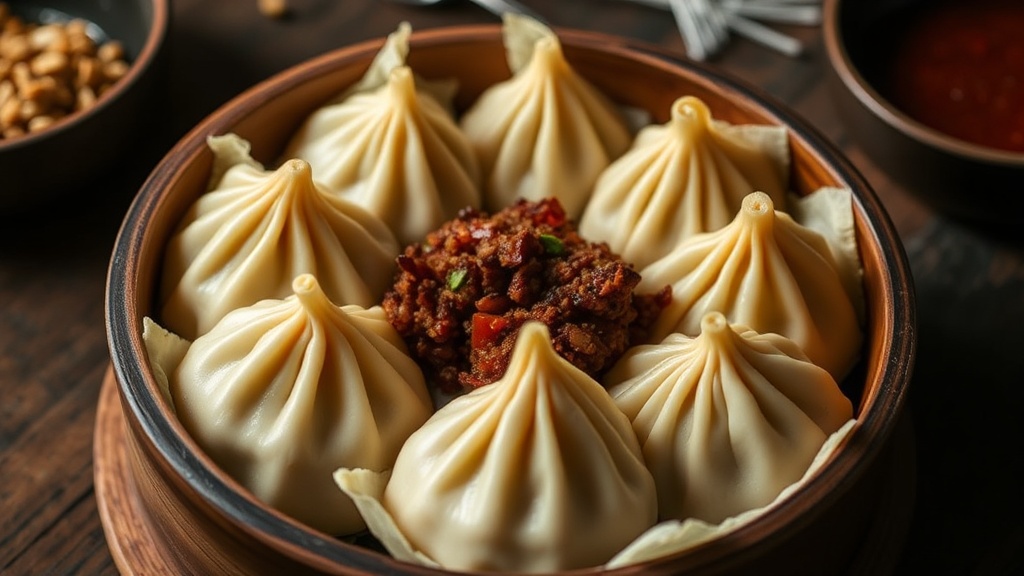
12 Dumplings From Around the World You Can Make in Your Own Kitchen

Why do so many cultures have their own version of the dumpling?
Walk through any market from Warsaw to Shanghai and you'll find some variation of dough wrapped around filling. It's not coincidence—dumplings emerged independently across civilizations because they solve a universal problem: how to stretch modest ingredients into something satisfying and portable. Flour, water, a bit of fat, and whatever scraps the cook has on hand. That's all it takes. Yet each culture has refined this humble formula into something distinctly its own. This listicle walks through twelve dumpling traditions you can actually recreate at home—no specialized equipment required, just patience and a willingness to get your hands floury.
What makes a pierogi different from other stuffed dumplings?
Poland's pierogi arrived in the 13th century, likely via St. Hyacinth of Poland who supposedly fed the hungry with these filled pockets during a famine. The dough is simple—flour, eggs, water, salt—kneaded until smooth and elastic. Traditional fillings run the gamut: sauerkraut and mushroom, potato and farmer's cheese (pierogi ruskie), sweetened fresh cheese with vanilla, or even blueberries for dessert versions.
The technique that separates good pierogi from gummy disasters is proper sealing. Roll the dough thin—about 1/8 inch—and use a biscuit cutter or drinking glass for uniform circles. Place a modest spoonful of filling (overstuffing causes blowouts), fold into a half-moon, and crimp with a fork. Boil in salted water until they float, then finish in butter with caramelized onions. That final pan-fry step isn't optional—it's what gives pierogi their signature golden crust.
How do you fold gyoza without them falling apart?
Japanese gyoza trace their lineage to Chinese jiaozi, arriving in Japan after World War II through interactions with Manchuria. The Japanese adaptation uses thinner wrappers and a specific folding technique that creates a flat bottom—perfect for that crispy potsticker texture.
The wrapper is store-bought for most home cooks (look for round gyoza skins in the refrigerated section of Asian markets), but the filling is where you exercise creativity. Classic pork and cabbage works beautifully, though I favor a mix of ground chicken, napa cabbage, garlic chives, ginger, and a splash of sesame oil. The key is squeezing excess moisture from the cabbage after salting—wet filling makes soggy dumplings.
Folding intimidates beginners, but it's simpler than it looks. Place filling in the center, wet the edges with water, fold into a half-moon, and make three to four pleats along one side. The standard cooking method is hanetsuki gyoza—arrange in a hot oiled pan, add water and cover to steam, then uncover to crisp the bottoms. That textural contrast—tender top, crackling bottom—is the whole point.
Georgia's Khinkali: Soup dumplings without the soup
Georgian khinkali look like plump purses gathered at the top, and they're designed to be eaten with your fingers. The dough is eggless—just flour, water, and salt—rolled thinner at the edges than the center. The filling combines ground beef and pork with cilantro, cumin, black pepper, and a critical ingredient: broth. As they cook, the broth gelatinizes and creates a juicy interior.
Here's the technique that matters: don't eat the top knot. Georgians traditionally leave the twisted dough on the plate as a tally of how many they've consumed. Bite a small hole, slurp the juices (carefully—they're hot), then eat the rest. Making khinkali requires practice—the pleating technique involves twisting the dough upward with 18 to 20 folds. They're boiled, not steamed, and served simply with black pepper.
Can you really make dim sum-style har gow at home?
Har gow—those translucent shrimp dumplings that snap between your teeth—represent the pinnacle of dumpling craft. The wrapper isn't wheat-based but a mixture of wheat starch and tapioca starch, which creates that characteristic glassy appearance when steamed. Finding wheat starch requires a trip to a well-stocked Asian market or ordering online.
The dough is tricky—it must be worked while hot to achieve pliability. Mix the starches with boiling water, knead until smooth, and keep covered with a damp cloth while working. The filling is simply shrimp (chopped to a coarse paste, not puréed), bamboo shoots, and seasonings. No ginger, no garlic—purists insist these overpower the delicate shrimp.
Pleating har gow requires the "fish tail" fold—approximately 12 pleats arranged in a crescent shape. Steam in bamboo baskets lined with parchment or cabbage leaves for about 6 minutes. The wrappers should be slightly translucent with a faint chew. They won't look like restaurant versions on your first attempt. They'll still taste better than anything from the freezer section.
Empanadas: South America's portable meal
Spanish colonizers carried empanada culture across the Atlantic, and each Latin American country developed distinct regional styles. Argentine empanadas feature a thinner, flakier dough and are often baked rather than fried. The filling varies by province—cubed beef with olives and raisins in Salta, spiced lamb in Patagonia, ham and cheese in Buenos Aires.
The dough matters immensely. For baked empanadas, use a fat-rich pastry dough with a touch of vinegar, which inhibits gluten development and creates tenderness. For fried versions, a simpler dough works. The repulgue—the decorative fold that seals the edge—isn't just aesthetic; it prevents filling from escaping during cooking. Practice the rope fold: pinch the edge, fold over, repeat.
Why does my momo dough keep tearing?
Nepalese and Tibetan momos share DNA with Chinese dumplings but developed their own identity in the Himalayan region. The dough is straightforward—flour and water—but the altitude affects hydration. If you're cooking at sea level, you'll need slightly less water than high-altitude recipes suggest.
The filling distinguishes momos: minced meat (buffalo, chicken, or pork) mixed with finely chopped cabbage, onions, garlic, ginger, and a blend of turmeric, cumin, and coriander. Some versions incorporate jhol—a tomato-based sauce that Momos are served swimming in. The folding technique creates a round, bun-like shape with pleats radiating from the center.
Steaming is traditional, though pan-fried versions exist. Use cabbage leaves or parchment in your steamer basket, and don't overcrowd—momos expand as they cook. The sauce is non-negotiable. Blend roasted tomatoes, toasted sesame seeds, Sichuan peppercorns, and fresh cilantro for an approximation of authentic jhol.
Ravioli: Italy's answer to the stuffed dough tradition
Medieval Italian cooks weren't ignorant of dumpling traditions spreading from the East. Ravioli appeared in Italian cookbooks by the 14th century, though the exact transmission route remains debated by food historians. The pasta dough—pasta all'uovo—uses more eggs than Chinese dumpling wrappers, creating a richer, more substantial bite.
Classic fillings include ricotta and spinach, but regional variations abound. In Rome, agnolotti are filled with braised meat. In Emilia-Romagna, pumpkin and amaretti cookies create a sweet-savory balance. The shape matters less than the seal—air pockets cause ravioli to burst during boiling.
Fresh pasta is ideal but not mandatory. Quality dried ravioli exists, though making your own allows control over thickness (thin enough to cook quickly, thick enough to hold filling). Serve simply: brown butter and sage, or a light tomato sauce that doesn't overwhelm.
What's the secret to soup dumplings (xiao long bao)?
Xiao long bao—those Shanghai soup dumplings that squirt hot broth when bitten—intimidate home cooks unnecessarily. Yes, they require technique. No, they don't require years of apprenticeship. The soup isn't added to the filling; it's created by mixing ground pork with gelatin-rich stock that liquefies when steamed.
Make a concentrated pork or chicken stock, chill until it solidifies, then dice it into small cubes that mix with the seasoned pork filling. The wrapper is thin wheat dough, rolled slightly thicker in the center than the edges. Pleating requires 14 to 18 folds pinched and twisted at the top. Steam in bamboo baskets lined with napa cabbage leaves for 8 minutes.
The eating protocol matters: lift gently with tongs or a soup spoon, place in your spoon, bite a small hole to release steam, sip the broth, then consume the rest. J. Kenji López-Alt's detailed guide breaks down the science for those wanting deeper technical understanding.
Manti: Turkey's tiny flavor bombs
Turkish manti are microscopic—each dumpling barely larger than a chickpea—and they're traditionally served in a yogurt sauce spiked with garlic and sumac butter. The dough is egg-enriched, rolled thin, and cut into small squares. A minuscule dot of spiced ground lamb goes in the center, and the corners are pinched to create a tiny boat or star shape.
Making manti is labor-intensive; Turkish grandmothers treat it as communal work. The small size isn't affectation—it ensures the delicate dough cooks quickly while the filling remains juicy. Boil briefly, then toss with the yogurt sauce and drizzle with butter infused with red pepper and mint.
How do I cook frozen dumplings without ruining them?
Here's practical advice for the home cook who lacks hours for folding. Frozen dumplings—whether homemade or store-bought—cook beautifully with the right technique. Don't boil them directly from frozen; they'll stick together and tear.
For potsticker-style cooking, arrange frozen dumplings in a hot oiled pan, add 1/3 cup water, cover immediately, and steam for 5 to 7 minutes. Uncover and let the water evaporate until the bottoms crisp. For boiled dumplings, add them to actively boiling water and stir gently to prevent sticking. They'll take 1 to 2 minutes longer than fresh.
Storage matters too. Freeze uncooked dumplings on a parchment-lined baking sheet until solid, then transfer to freezer bags. They'll keep for three months. Cook from frozen—no thawing required. This batch-cooking approach means you can spend one afternoon folding and enjoy homemade dumplings for weeks.
Mandu: Korea's generous dumplings
Korean mandu are larger than Chinese or Japanese equivalents, often folded into circular or square shapes with generous filling-to-wrapper ratios. The dough resembles wonton wrappers—egg-enriched and tender. Fillings reflect Korean pantry staples: kimchi and pork, mung bean sprouts with glass noodles, or seasoned tofu.
Manduguk—dumpling soup—is a New Year's tradition, but pan-fried gun-mandu appear at everyday meals. The dipping sauce combines soy sauce, rice vinegar, sesame oil, and gochugaru (Korean chili flakes). Don't skip the sesame seeds—they add textural contrast.
Are sweet dumplings worth making at home?
Every culture that embraced savory dumplings eventually created sweet versions. Chinese tangyuan—glutinous rice balls filled with black sesame paste or red bean—float in sweet ginger soup during Lunar New Year celebrations. Polish pierogi with sweet cheese and raisins are traditional for Christmas Eve. Austrian Marillenknödel wrap apricots in potato dough and roll them in buttered breadcrumbs.
The principles remain identical: balance the filling's sweetness against the dough's neutrality, ensure proper sealing to prevent leakage during cooking, and serve immediately—sweet dumplings don't hold well. These make impressive dinner party desserts with minimal last-minute work.
Which dumpling should I try first?
Start with pierogi or gyoza—the techniques are forgiving, ingredients are accessible, and both reward the effort disproportionately. Once comfortable with basic folding and cooking methods, graduate to soup dumplings or har gow. The skills compound: learning to seal one dumpling makes the next easier. Before long, you'll recognize the logic connecting these diverse traditions. Dough. Filling. Fold. Cook. The specifics change, but the fundamentals remain stubbornly universal.
For deeper exploration of dumpling history across cultures, Atlas Obscura's comprehensive survey traces how trade routes and migration patterns spread these techniques across continents. The story of dumplings is, ultimately, the story of human movement—carried in pockets, adapted to local ingredients, shared across languages.