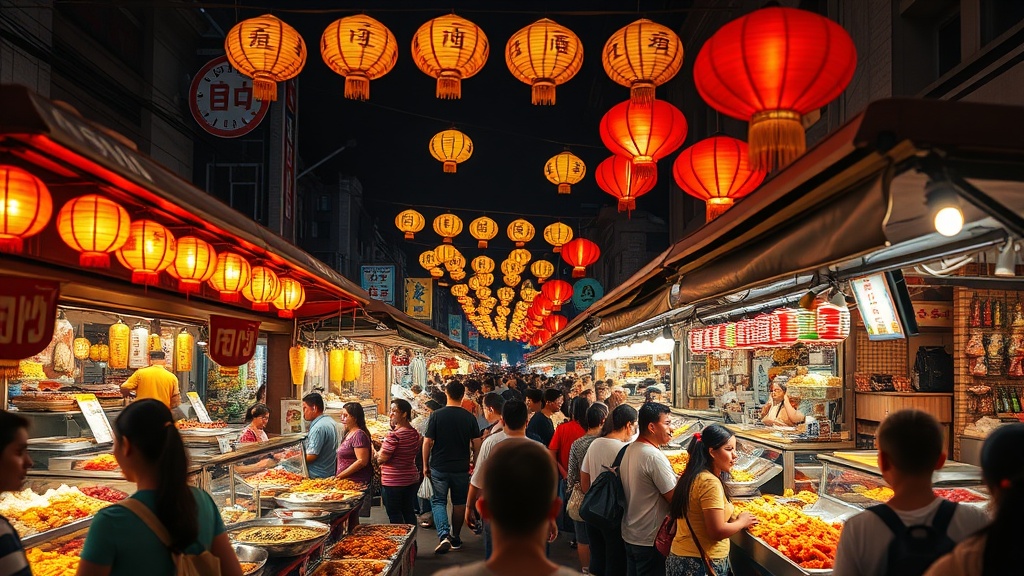
2026 Street Food Trends Shaping the Global Palette

Ever wondered why the night market you visited last month felt like a glimpse into the future? In 2026, street food isn’t just about quick bites—it’s a cultural laboratory where heritage, sustainability, and bold experiments collide.
What are the biggest street‑food trends emerging in 2026?
From the bustling lanes of Bangkok to pop‑up trucks in Chicago, five patterns are reshaping what we eat on the go:
- Hyper‑local sourcing and zero‑waste stalls. Vendors are partnering directly with nearby farms and fisheries, turning yesterday’s scraps into today’s delicacies. Think fish‑sauce‑infused kelp chips made from the remnants of a local fish market—a nod to the ancient condiment I explored in Fish Sauce Is the Oldest Global Condiment.
- Cross‑cultural mash‑ups that respect the original story. Instead of a generic “Asian‑fusion,” chefs are weaving specific techniques—like Mexico’s masa‑based dough with Indian chaat spices—while still crediting the roots. This mirrors the lesson from my Sichuan peppercorn piece about honoring provenance.
- Tech‑enabled ordering and flavor personalization. QR‑code menus let you dial in heat level, swap protein, or request a “sustainable” variant based on real‑time inventory.
- Fermentation as a flavor shortcut. From kimchi‑topped tacos to quick‑pickled mango slaw, fermented tang is the go‑to shortcut for depth. My deep dive on Nixtamalization shows how centuries‑old processes still win today.
- Story‑driven branding. Vendors now tell the migration tale of each dish on a small placard, echoing the narrative style I use in Chicago's Jibarito. It turns a snack into a lesson.
Why does sustainability matter for street vendors now?
Consumer pressure and stricter city regulations have pushed vendors to cut waste. A 2025 report from the World Resources Institute shows that street‑food waste accounts for 12% of urban food loss. By sourcing locally and repurposing by‑products, stalls cut costs and carbon footprints—win‑win for the bottom line and the planet.
How are flavors evolving without losing authenticity?
The key is “informed fusion.” Rather than dumping random spices, chefs study the chemistry of each ingredient. For example, the umami boost from fermented fish sauce pairs naturally with the bright acidity of Mexican lime, creating a balanced bite that feels both familiar and novel.
What tech tools are street vendors actually using?
Mobile POS systems now integrate inventory APIs that alert a vendor when a seasonal ingredient is about to run out, prompting a real‑time menu tweak. Some stalls even use AI‑driven flavor recommendation engines to suggest pairings based on customer purchase history.
What can home cooks take away from these trends?
Even if you’re cooking in a kitchen, you can emulate the street‑food mindset: source locally, experiment with quick ferments, and tell the story behind each dish. A simple weekend project—like making your own kimchi‑infused salsa—lets you practice the same creativity on a smaller scale.
Takeaway
2026’s street‑food scene is a living museum of history, technology, and sustainability. The next time you bite into a taco‑wrapped dumpling or a kelp‑chip‑topped bowl, remember: you’re tasting the future of food, one stall at a time. Keep an eye out for those QR‑code menus, ask the vendor about their sourcing story, and maybe bring a bit of that street‑food spirit back to your own kitchen.