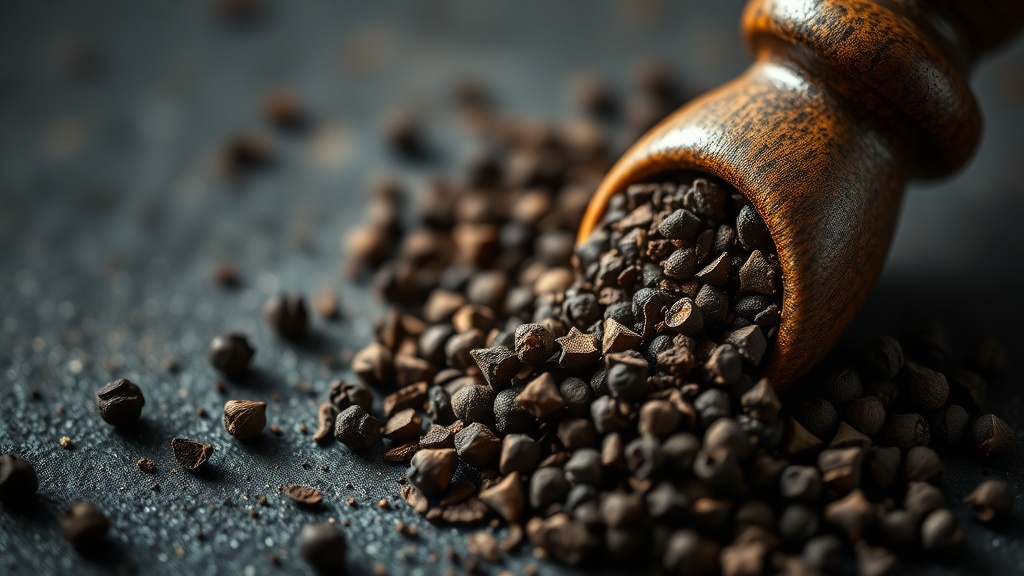
7 Reasons to Stop Using Pre-Ground Black Pepper

Preserving Volatile Oils
Superior Aroma Profile
Controlled Heat Levels
Texture and Mouthfeel
Longer Shelf Life
Visual Appeal in Dishes
Cost Effectiveness Over Time
Most home cooks believe that the difference between a mediocre dish and a professional-grade meal lies in expensive proteins or complex techniques, but the reality is often much simpler: it is the quality of your seasoning. Many people reach for the pre-ground black pepper shaker because it is convenient, assuming that the "heat" and "flavor" are essentially the same regardless of how the peppercorn is processed. This is a mistake. Pre-ground pepper is a diminished version of the spice, having lost the volatile oils that provide its characteristic complexity. Switching to whole peppercorns and a manual grinder will fundamentally change the depth of your cooking.
1. The Loss of Volatile Essential Oils
The primary reason to abandon pre-ground pepper is the rapid degradation of piperine and essential oils. Piperine is the alkaloid responsible for the sharp, biting heat of black pepper, while the essential oils provide the nuanced notes of citrus, pine, and wood. When a peppercorn is cracked or ground in a factory, the surface area increases exponentially. This massive surface area allows the volatile oils to oxidize and evaporate almost immediately upon contact with the air.
By the time a tin of pre-ground pepper reaches your pantry, much of that aromatic profile has vanished. You are left with a product that provides heat through chemical irritation rather than a rich, multi-dimensional flavor profile. When you grind peppercorns fresh, you are capturing those oils at their peak. This is particularly important in high-heat applications, such as when you are finishing a pan-seared steak or seasoning a stir-fry, where the aroma should be released the moment the spice hits the heat.
2. Texture and Granular Consistency
In professional kitchens, texture is a deliberate component of a dish. Pre-ground pepper is often a fine, uniform dust. While this might be acceptable for a spice rub that needs to adhere to a surface, it lacks the textural interest required for many culinary applications. A fine powder can also become "muddy" in sauces or soups, creating a gritty mouthfeel that detracts from the silkiness of a reduction or a cream-based sauce.
Using a grinder allows you to control the coarseness of the spice. For a classic Steak au Poivre, you want a coarse, cracked texture that creates a crust on the meat. For a delicate vinaigrette, you might prefer a finer grind. This control over particle size ensures that the pepper complements the dish rather than distracting from it with an unpleasant, sandy texture. If you want to maximize the aromatic impact of your seasonings, you should also learn why you should toast your whole spices before grinding to unlock even more depth.
3. The Problem of "Dusty" Heat
There is a distinct difference between "flavorful heat" and "dusty heat." Pre-ground pepper often delivers a harsh, one-dimensional burn that hits the back of the throat unpleasantly. This is because the fine particles can become airborne more easily, leading to the sensation of inhaling spice dust, which irritates the respiratory system. This type of heat is blunt and lacks the sophisticated, lingering warmth found in high-quality peppercorns.
Freshly ground pepper provides a "bright" heat. Because the particles are larger and more structurally intact, the flavor is released more slowly as you chew. This allows the palate to register the secondary notes—such as the slight floral sweetness in Tellicherry peppercorns or the earthy musk of Malabar pepper—before the heat kicks in. This layered sensation is what separates a dish that is merely "spicy" from one that is truly well-seasoned.
4. Visual Appeal and Presentation
We eat with our eyes first, and the visual component of seasoning is often overlooked. A sprinkle of fine, greyish-black powder over a bright white poached egg or a vibrant green pesto looks unappealing and messy. It can make a dish look aged or poorly prepared. In contrast, a coarse grind of black pepper provides visual contrast and a sense of intentionality.
When you see distinct, dark flecks of cracked pepper on a piece of grilled salmon or a roasted vegetable, it signals to the diner that the ingredients are fresh and the seasoning was applied with care. The varying sizes of the cracked peppercorns catch the light and add a rustic, artisanal quality to the plating. This level of detail is a hallmark of professional cooking and is an easy way to elevate your home plating from basic to sophisticated.
5. Economic Longevity and Shelf Life
It is a common misconception that buying pre-ground pepper is more cost-effective. While the upfront price per ounce might be lower, the "effective" cost is higher because the product loses its potency so quickly. You often end up using much more pre-ground pepper to achieve the desired level of flavor because the spice has become inert. You are essentially using more volume to compensate for a lack of quality.
Whole peppercorns, however, are incredibly shelf-stable. Because the essential oils are protected within the hard outer shell of the peppercorn, they can remain potent for years if kept in a cool, dark place. You can purchase high-quality peppercorns in bulk and grind only what you need for a specific recipe. This reduces waste and ensures that the pepper you use for a Monday night pasta is just as flavorful as the pepper you use for a Saturday night roast. Investing in a high-quality heavy-duty grinder and whole peppercorns is a long-term investment in your pantry's efficiency.
6. Access to Regional Varieties
The global pepper trade is vast, but the retail market for pre-ground pepper is incredibly limited. Most grocery store brands offer a generic "black pepper" blend that is often a mixture of whatever was cheapest at the time of processing. This results in a lack of character and a predictable, mediocre flavor profile.
When you buy whole peppercorns, you gain access to the incredible diversity of the Piper nigrum plant. You can seek out specific varieties to match your culinary needs:
- Tellicherry Pepper: These are large, high-quality peppercorns from India that offer a complex, slightly sweet, and citrusy profile.
- Malabar Pepper: Known for a more intense, pungent heat and a deep, earthy aroma.
- White Pepper: Produced by removing the outer skin of the berry, this offers a fermented, funky heat that is essential for traditional Chinese cuisine and creamy sauces.
- Green Peppercorns: Harvested earlier in the cycle, these provide a bright, vegetal, and much milder heat, perfect for seafood.
7. Control Over Heat Levels
One of the greatest challenges in cooking is achieving the perfect balance of seasoning. With pre-ground pepper, it is very easy to over-season a dish. Because the powder is so fine, it can quickly overwhelm a recipe, making it difficult to "dial back" the heat once it has been added. If you accidentally add too much fine pepper to a delicate cream sauce, you may find the dish becomes unpalatably bitter or spicy.
With a manual or electric grinder, you have granular control over the intensity of the seasoning. You can start with a light, coarse grind to add subtle texture and warmth, and then add more if the dish requires it. This allows for a more iterative and precise approach to seasoning. You can adjust the heat level mid-process, ensuring that the pepper enhances the primary ingredients rather than masking them. This level of precision is vital when working with delicate proteins or subtle vegetable-forward dishes where balance is the ultimate goal.
To begin this transition, I recommend purchasing a dedicated pepper mill—something with a high-quality ceramic or stainless steel grinding mechanism—and a bag of high-quality Tellicherry peppercorns. The difference in your cooking will be immediate and profound.