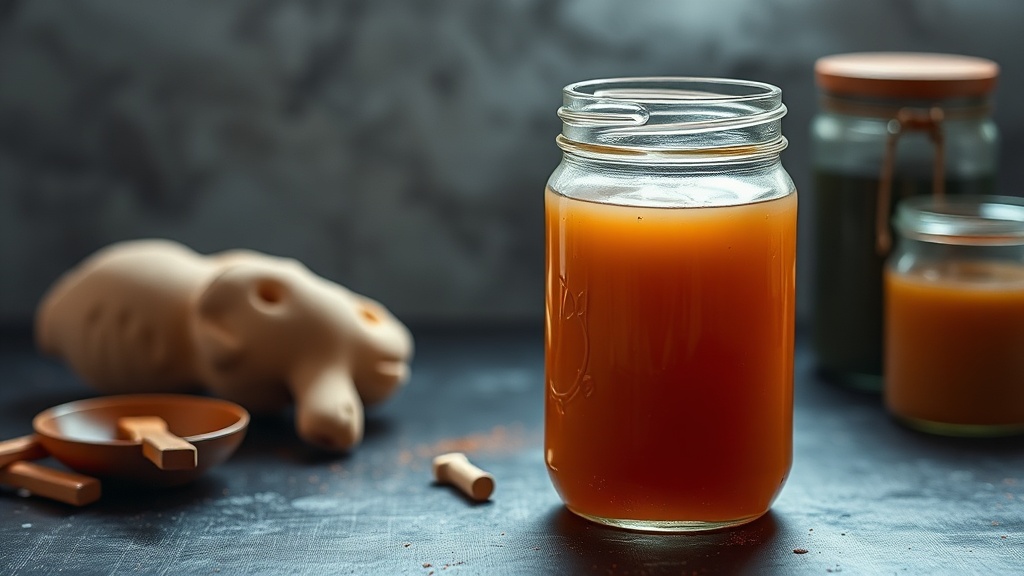
Beyond the Jar: 6 Ways to Elevate Your Homemade Bone Broth

Roast Your Bones for Deep Color
Add an Acidic Element to Extract Minerals
The Importance of Slow Simmering
Using Aromatics for Layered Flavor
The Perfect Ratio of Vegetables to Bones
Straining for a Silky Texture
Most people treat bone broth as a finished product—a liquid you simply heat up and drink. That's a mistake. While a basic stock provides a decent foundation, a truly deep, nuanced broth requires more than just simmering bones in water. This guide explores how to move past the basic "liquid gold" tropes to create a broth with layers of flavor, texture, and complexity. We'll look at the specific techniques, ingredients, and timing shifts that turn a thin, watery liquid into a culinary powerhouse.
How Can You Make Bone Broth Taste Better?
You can improve the flavor of your bone broth by focusing on three specific stages: roasting, aromatics, and acid.
A common pitfall is boiling raw bones directly in water. This results in a pale, bland liquid that lacks character. To get that rich, amber color and deep savory profile, you must start with high heat. Roast your bones in a hot oven until they are deeply browned—almost charred in spots—before they ever touch a pot. This creates a Maillard reaction (the same chemical process that makes a steak crust delicious) which provides the base for everything else.
Once you've mastered the roast, you need to think about the "aromatic stack." Most recipes call for onion, carrot, and celery. That's fine, but if you want something better, look toward the spices. A single star anise or a few peppercorns can change the entire profile. If you're feeling adventurous, a piece of charred ginger or a knob of bruised turmeric adds a warmth that water and salt alone can't achieve.
One thing I've learned from watching professional kitchens is that the best broths are never just "salty." They need a high-low balance. If your broth feels heavy or "flat" on the tongue, it's likely missing a bright note. This is where a splash of apple cider vinegar or even a squeeze of lemon comes in. It cuts through the gelatin and wakes up the palate.
For a deeper dive into why these flavor shifts work, read about how acidity transforms a dish.
6 Ways to Refine Your Homemade Broth
If you've already mastered the basic simmer, it's time to get technical. Here are six specific methods to push your broth into professional territory.
1. The Art of the "Deep Roast"
Don't just brown the bones; brown the vegetables too. When you roast your mirepoix (onions, carrots, celery) alongside the bones, the sugars in the vegetables caramelize. This adds a subtle sweetness that balances the salt. If you see the bottom of your roasting pan getting dark and crusty, don't scrub it. That's "fond," and it's pure gold. Deglaze that pan with a bit of water or wine before adding everything to your stockpot.
2. Control Your Collagen with Temperature
The goal of a good bone broth is a mouthfeel that is slightly viscous, almost velvety. This comes from the gelatin extracted from connective tissue. To get this right, you need to maintain a very low, consistent simmer. If the liquid reaches a rolling boil, you'll actually break down the proteins too aggressively and end up with a cloudy, thin liquid. You want small, lazy bubbles—not a storm in a pot.
3. Layer Your Spices Early
Spices shouldn't be an afterthought. If you're making a beef-based broth, consider adding a cinnamon stick or cloves during the last hour of simmering. If you're working with chicken, a bit of coriander seed works beautifully. To get the most out of these, I highly recommend toasting your spices in a dry pan before adding them to the pot. This releases the essential oils and ensures the flavor isn't just "there," but actually integrated.
4. Use a Dual-Bone Approach
Using only one type of bone can lead to a one-note flavor. For a complex, professional-grade broth, try a blend. Combine beef marrow bones for richness with chicken feet or necks for high gelatin content. The marrow provides the heavy-hitting fat and flavor, while the smaller bones and connective-tissue-heavy parts provide that signature "sticky" texture. It's a balancing act of flavor and function.
5. The "Acidic Kick" Method
A broth that is purely savory can feel heavy and "cloying" in the throat. To prevent this, use an acid to balance the fat. This doesn't mean the broth will taste sour; it means the acid acts as a spotlight for the other flavors. A teaspoon of high-quality apple cider vinegar added during the simmer helps extract minerals from the bones, while a fresh squeeze of lime or lemon right before serving brightens the entire experience.
6. Precision Seasoning
Salt is tricky in broth. If you salt it heavily at the beginning, the liquid will reduce and become an undrinkable brine. Instead, season in stages. Add a small amount of sea salt early on, but do your final seasoning only when the broth is at its final volume. This ensures the salt penetrates the liquid without overshooting the mark.
The following table illustrates how different bone/additive combinations change the final profile of your broth:
| Primary Bone Type | Key Additive | Resulting Flavor Profile | Best Use Case |
|---|---|---|---|
| Beef Marrow | Red Wine & Rosemary | Deep, Earthy, Rich | Beef Stews / Braises |
| Chicken Necks/Feet | Ginger & Scallion | Light, Silky, Clean | Ramen / Noodle Soups |
| Pork Trotters | Star Anise & Soy | Savory, Sweet, Umami | Asian-style Broths |
| Lemon & Parsley | Bright, Briny, Sharp | Bouillabaisse / Seafood |
How Long Should You Simmer Bone Broth?
The ideal simmering time depends entirely on the type of bone and the texture you want to achieve.
For chicken, you're looking at 6 to 12 hours. Anything longer, and the delicate flavors can start to taste "cooked" or metallic. For beef or pork, you'll want to go much longer—anywhere from 12 to 24 hours. This long duration is necessary to fully break down the dense collagen and extract the deep marrow flavors. If you're using a pressure cooker, you can cut these times down significantly, but be aware that the flavor development won't be quite as nuanced as the traditional slow-simmer method.
A quick tip: if you want to check if your broth is "done," take a spoonful and put it in the fridge. If it turns into a jelly-like substance when cold, you've successfully extracted the gelatin. That's the gold standard for a high-quality broth.
For those interested in the science of bone density and mineral extraction, the Wikipedia entry on bone broth offers a deep dive into the nutritional components and chemical processes involved in simmering.
It's easy to get lost in the minutiae of temperature and timing, but don't let it paralyze you. The most important thing is to start experimenting. A broth is a living thing—it changes as it sits, as it cools, and as you add new elements to it. Treat it like a canvas rather than a chore, and you'll find that the simplest ingredients can create something truly profound.