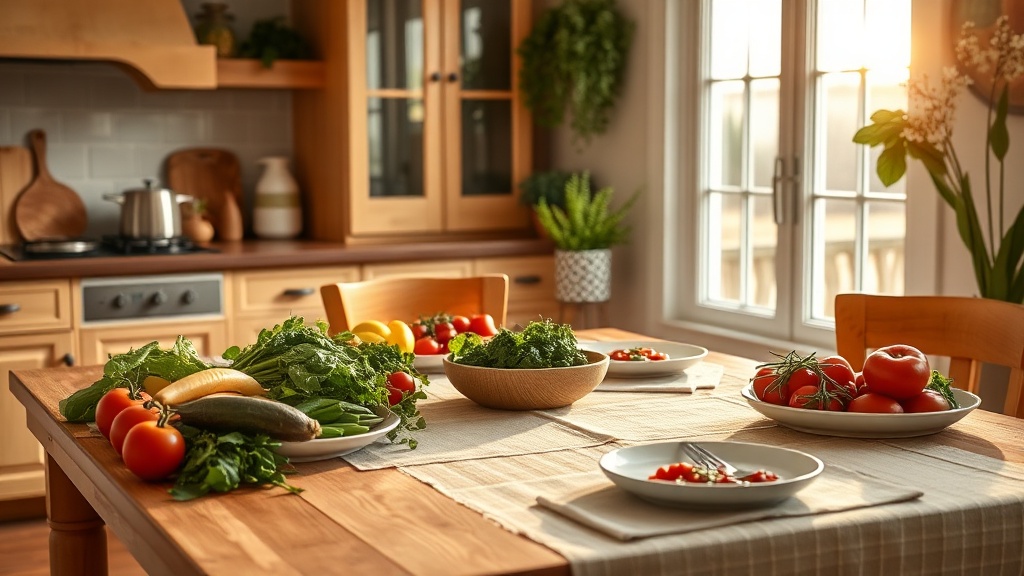
Bio-Harmony Meal Planning for Spring: Sync Your Diet with the Daylight Clock

Ever felt sluggish even though the sun’s out? As the days lengthen, our bodies crave a rhythm that matches the light. In this guide I’ll show you how to craft a spring meal plan that syncs with your internal clock, boosting metabolism and keeping you energized.
Why does daylight matter for what we eat?
Research from Harvard Health Publishing explains that our circadian system regulates hormone release, digestion, and glucose handling. When we eat at times misaligned with this system, we can experience spikes in blood sugar, poorer sleep, and even weight gain. Spring’s longer daylight naturally shifts the body’s clock forward, making it the perfect window to reset eating patterns.
In my own kitchen, I noticed that swapping a heavy dinner for a lighter, earlier meal after the March equinox left me feeling more alert for weeks. That’s the bio‑harmony I’m talking about – the sweet spot where food, time, and season converge.
What are the key principles of bio‑harmony eating?
- Eat with the sun: Align your largest meals with daylight hours.
- Seasonal focus: Choose produce that’s naturally in peak during spring.
- Timing matters: Space meals roughly 4‑5 hours apart to respect the body’s metabolic cycles.
- Balance macronutrients: Pair carbs with protein and healthy fats to stabilize blood sugar.
If you missed my earlier piece on bio‑harmony, you can catch up here. It lays the scientific groundwork you’ll need for this seasonal plan.
How can I build a spring‑focused meal plan?
Follow these five steps, each designed to dovetail with the lengthening daylight.
1️⃣ What should I eat for breakfast to kick‑start my circadian rhythm?
Start with a protein‑rich breakfast within two hours of sunrise. The light exposure signals your brain to halt melatonin production, while protein stabilizes glucose. Try a spring herb omelet with asparagus, peas, and mint, paired with a slice of sourdough.
2️⃣ When is the optimal window for lunch?
Midday, roughly 4‑5 hours after breakfast, aligns with the body’s peak metabolic efficiency. Aim for a balanced plate: half vegetables, a quarter lean protein, a quarter complex carbs. A quinoa‑radish salad with grilled salmon works beautifully.
3️⃣ How do I structure my afternoon snack?
Keep it light and nutrient‑dense to avoid a late‑day insulin surge. A handful of fresh strawberries and a few almonds provides fiber and healthy fats without overloading carbs.
4️⃣ What’s the best dinner timing for spring?
Finish eating at least three hours before bedtime, ideally before sunset. This gives your digestive system time to wind down. A root‑vegetable stew with lentils—cooked with rosemary and thyme—offers warmth without heaviness.
5️⃣ Should I adjust water intake?
Yes. As daylight increases, we tend to sweat more. Aim for 2‑2.5 L of water daily, sipping consistently. Add a slice of cucumber or a sprig of lemon for a subtle flavor boost.
What extra tips can I add for maximum bio‑harmony?
- Morning sunlight: Spend 10‑15 minutes outside after breakfast. It reinforces the reset.
- Limit caffeine after 2 p.m.: Caffeine can delay melatonin release.
- Mindful eating: Put away screens and savor each bite; this improves digestion.
- Seasonal spices: Use ginger, lemon zest, and fresh herbs to support digestion and add flavor.
For a deeper dive into resetting sleep and productivity after daylight‑saving changes, see my guide here.
What does a sample week look like?
| Day | Breakfast | Lunch | Dinner |
|---|---|---|---|
| Monday | Herb omelet + sourdough | Quinoa‑radish salmon bowl | Root‑vegetable lentil stew |
| Tuesday | Greek yogurt with honey & strawberries | Spring pea & mint risotto | Grilled chicken with asparagus |
| Wednesday | Spinach & feta scramble | Chickpea & avocado salad | Wild rice with roasted carrots |
| Thursday | Overnight oats with fresh berries | Grilled shrimp taco with cabbage slaw | Butternut squash soup |
| Friday | Smoked salmon toast | Farro bowl with roasted beets | Herb‑crusted cod with lemon |
Takeaway: How do I start right now?
Grab a notebook, jot down sunrise time for your location, and draft a simple three‑meal plan using the principles above. Swap one ingredient each day for a spring‑fresh alternative, and notice how your energy shifts. The bio‑harmony approach isn’t a strict diet—it’s a rhythm that lets you eat with the season, not against it.
Ready to sync your plate with the sun? Let’s make this spring the most vibrant, energized season yet.