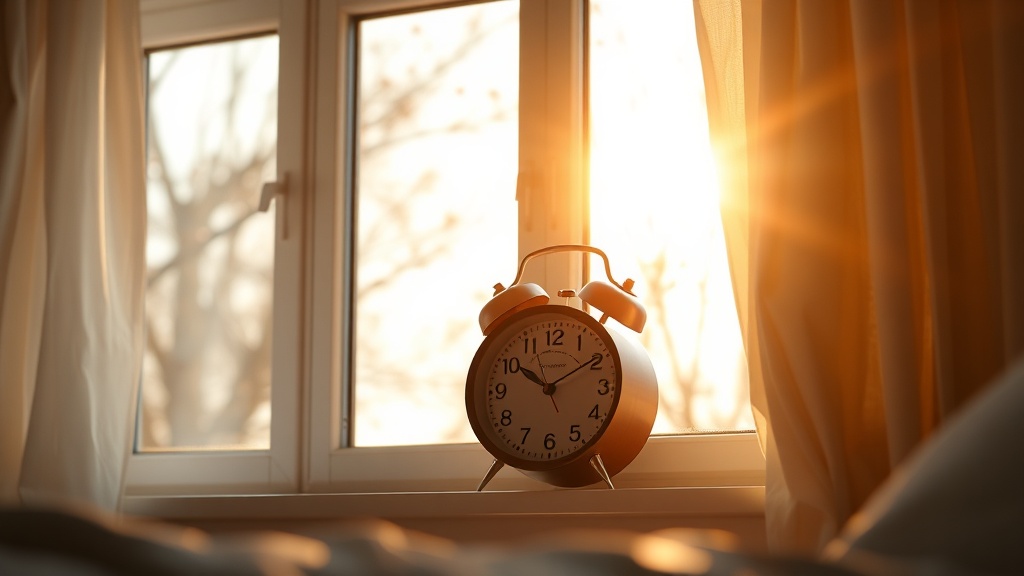
Daylight Saving Reset: Practical Tips to Realign Sleep and Boost Spring Productivity

Did the sudden hour jump leave you feeling groggy and off‑kilter? You’re not alone—millions stumble through that “lost hour” every spring, but you don’t have to stay stuck in the fog.
In this guide, I’ll walk you through practical, science‑backed steps to reset your sleep, lift your mood, and keep your productivity humming as the days get longer.
How can I gradually shift my bedtime without feeling exhausted?
Instead of a jarring 60‑minute jump, aim for a 15‑minute adjustment each night leading up to the change. Here’s a simple plan:
- Three nights before DST, set your alarm 15 minutes earlier.
- Go to bed 15 minutes earlier each night, matching the new wake‑time.
- Stick to the same wind‑down routine—no screens, dim lights, and a calming activity like reading.
Research shows a gradual shift reduces sleep debt by up to 30% (Sleep Foundation, 2025).
What light exposure strategies help reset my circadian rhythm?
Morning light is the most powerful cue for your internal clock. Follow these steps:
- Get sunlight within 30 minutes of waking. Even a 10‑minute walk outside can signal “daytime” to your brain.
- Use a bright light box if natural light is scarce. Aim for 10,000 lux for 20‑30 minutes.
- Avoid blue‑light screens after sunset. Switch to “night mode” or wear blue‑blocking glasses.
According to a 2024 study in Chronobiology International, morning light exposure can advance sleep onset by up to 1.5 hours.
Which micro‑habits support a smooth transition?
Small, consistent actions can make a huge difference:
- Hydrate first thing. Dehydration amplifies fatigue.
- Limit caffeine after 2 p.m. It interferes with the natural wind‑down.
- Take a short 5‑minute “reset” break mid‑day. Stretch, breathe, and glance outside for natural light.
- Keep a consistent meal schedule. Your gut clock influences sleep quality.
How does daylight saving affect productivity, and what can I do about it?
Studies link the DST transition to a 3‑5% dip in workplace performance during the first three days (Nature, 2023). Counteract this by:
- Prioritizing high‑impact tasks in the morning when alertness spikes.
- Scheduling low‑cognitive‑load activities (emails, meetings) for the early afternoon slump.
- Taking a brief 10‑minute power‑nap if you feel a crash—keep it under 30 minutes.
What foods support better sleep during the change?
Nutrition plays a subtle but real role. Incorporate these sleep‑friendly foods:
- Complex carbs (oatmeal, sweet potatoes) boost serotonin.
- Magnesium‑rich nuts (almonds, cashews) relax muscles.
- Herbal teas like chamomile or valerian root.
- Avoid heavy, spicy meals within 2 hours of bedtime.
For a deeper dive on aligning meals with your body clock, check out my earlier piece Bio‑Harmony: Sync Your Meals with Your Body Clock for Energy.
Takeaway
Resetting after daylight saving isn’t about drastic overhauls; it’s about gentle, evidence‑based tweaks. Shift your bedtime in 15‑minute increments, soak up morning light, adopt micro‑habits like hydration and caffeine timing, and feed your body with sleep‑supporting foods. Follow these steps, and you’ll ride the springtime hour change with steady energy and clear focus.