Hidden Gems of the Silk Road: 6 Spices That Define Ancient Flavors

Saffron: The Red Gold of Persia
Cardamom: The Queen of Spices
Sumac: The Tangy Zest of the Levant
Star Anise: The Celestial Spice
Cumin: The Earthy Soul of Central Asia
Turmeric: The Golden Root of Vitality
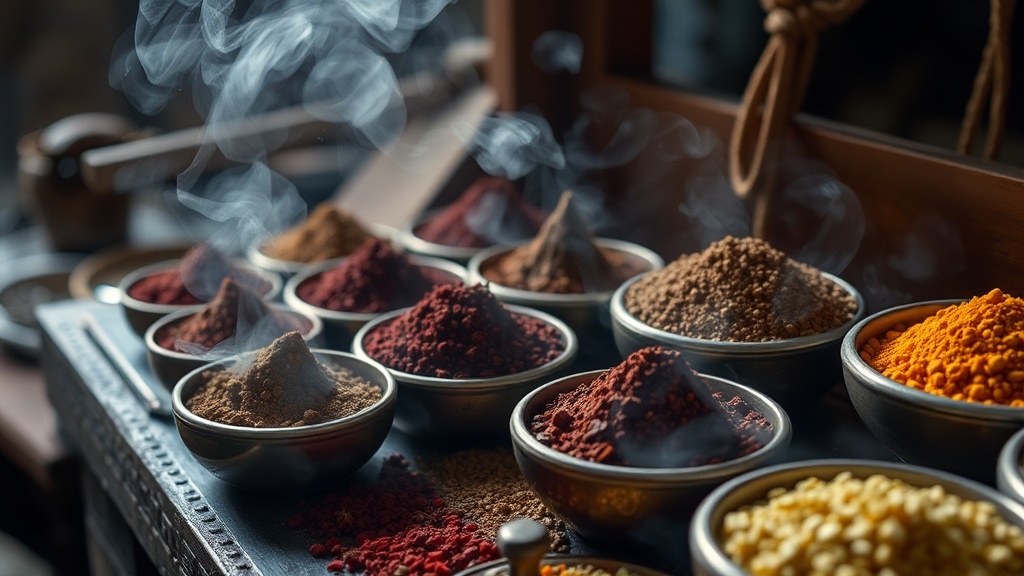
The air in a Samarkand bazaar is heavy, a thick tapestry of scents that clings to the back of the throat. It is a sensory collision: the sharp, medicinal sting of dried resins, the earthy musk of crushed seeds, and the sweet, heady aroma of sun-dried fruits. Here, the dust kicked up by passing camels or modern merchant carts carries the weight of centuries. These are not merely ingredients; they are the currency of empires. The Silk Road was never just a route for silk; it was a massive, moving laboratory where the flavors of the East met the palates of the West, forever altering the DNA of global cuisine.
To understand the spices of the Silk Road is to understand the movement of people. Every grain of spice tells a story of migration, trade wars, and the relentless human desire to make the mundane extraordinary. These six spices were once more valuable than gold, driving the expansion of maritime routes and the rise of merchant classes. Today, they remain the pillars of regional cooking, from the Levant to the Indian subcontinent.
1. Saffron: The Crimson Gold of Persia
Saffron is perhaps the most storied of all Silk Road spices. Derived from the dried stigmas of the Crocus sativus flower, it requires an immense amount of manual labor to produce—roughly 75,000 flowers are needed for a single pound of spice. This scarcity is why it has historically been a symbol of extreme wealth and divine favor.
In Persian cuisine, saffron is not just a colorant; it is the soul of the dish. It provides a subtle, hay-like aroma with a metallic, honeyed undertone. When working with high-quality saffron, avoid the temptation to toss the threads directly into a pot of boiling liquid. Instead, use the technique of blooming. Grind a few threads with a tiny pinch of sugar in a mortar and pestle, then soak the powder in a tablespoon of warm (not boiling) water or milk for at least 20 minutes. This extraction process ensures the pigment and aroma are evenly distributed throughout your rice or cream-based desserts.
For an authentic application, incorporate bloomed saffron into a traditional Persian Tahdig. The goal is to create a golden, crispy crust at the bottom of the pot using butter and saffron-infused water, ensuring the rice grains are individually coated in a brilliant, sun-yellow hue.
2. Sumac: The Tangy Zest of the Levant
While many Western cooks reach for lemon juice to provide acidity, the ancient spice of the Levant offers a more complex, nuanced brightness: Sumac. Produced from the dried and ground berries of the Rhus shrub, sumac offers a sharp, astringent tartness that is less liquid than citrus but more deeply integrated into the texture of a dish.
The color of high-grade sumac should be a deep, burgundy red, not a dull brown. If your sumac looks pale, it has likely lost its potency. In the Middle East, sumac is the essential finishing touch for Fattoush salad, providing a bright counterpoint to the crunch of toasted pita. It is also the primary ingredient in Za'atar, a staple spice blend that often includes thyme, toasted sesame seeds, and salt.
Pro-Tip: Use sumac as a dry rub for roasted poultry or lamb. The acidity helps tenderize the meat while the earthy notes complement the fat. Sprinkle it over a finished dish of hummus or labneh just before serving to add a sudden pop of brightness that cuts through the richness of the olive oil.
3. Cardamom: The Queen of Spices
Cardamom traveled the Silk Road in two distinct forms: the green variety from India and the more pungent black variety from the Indonesian archipelago. While green cardamom is celebrated for its sweet, eucalyptus-like freshness, black cardamom offers a smoky, camphor-heavy profile that is much more robust and savory.
In the coffee houses of the Arabian Peninsula, green cardamom is a staple, often infused into the brewing process to create a spiced, aromatic coffee. In much of South Asia, it is the backbone of Masala Chai and various complex spice blends. To unlock the full potential of cardamom, you must treat the pods as whole units until the very last moment.
When cooking, crack the green pods open with the flat side of a knife to release the tiny, black, oil-rich seeds. If you are making a savory dish, such as a Biryani or a rich curry, use the black cardamom pods whole. The intense smokiness of the black variety is essential for cutting through the heavy fats of goat or lamb, providing a structural depth that ground spices cannot achieve.
4. Cumin: The Earthy Foundation
Cumin is the workhorse of the Silk Road, a spice that bridges the gap between the Mediterranean and the Indian subcontinent. It possesses a warm, nutty, and slightly bitter profile that serves as a foundational element in everything from Mexican taco seasonings to Indian Jeera rice.
The secret to using cumin effectively lies in the method of tempering (known as tadka in India). Instead of simply adding ground cumin to a liquid, heat whole cumin seeds in hot oil or ghee until they begin to sizzle and turn a shade darker. This process, called blooming the spice, releases the essential oils and creates a much more profound flavor profile than using pre-ground powder.
When purchasing, look for whole seeds rather than pre-ground powder. Pre-ground cumin often loses its volatile oils quickly, resulting in a dusty, one-dimensional flavor. By toasting the seeds yourself, you ensure that the spice provides a rhythmic, earthy bass note to your stews and legumes.
5. Star Anise: The Celestial Shape
Star Anise is a quintessential spice of the East, a star-shaped fruit from the Illicium verum tree that provides a potent, licorice-like flavor. It is a key component of Chinese Five-Spice powder and is the unmistakable aromatic heart of Vietnamese Phở broth.
The flavor profile of star anise is intense and can easily overwhelm a dish if not handled with precision. It contains high levels of anethole, the same compound found in fennel and aniseed, which gives it that characteristic sweetness. When making a long-simmering broth, star anise is best used whole. This allows the flavor to infuse the liquid gradually over several hours without the risk of the spice becoming bitter or leaving gritty fragments in the finished soup.
For a modern twist, try incorporating star anise into a braising liquid for short ribs or even a red wine reduction. The spice's ability to bridge the gap between sweet and savory makes it an exceptional tool for deep, dark, and complex meat dishes.
6. Cinnamon (Ceylon vs. Cassia)
While many are familiar with cinnamon, the Silk Road distinguished between the "true" cinnamon of Ceylon (Sri Lanka) and the more common, aggressive Cassia. True Ceylon cinnamon is light, delicate, and subtly sweet, with a thin, brittle bark that curls into multiple layers. Cassia, on the other hand, is thick, hard, and carries a much more pungent, spicy heat.
If you are baking a delicate pastry or a light custard, use Ceylon cinnamon to maintain elegance. However, if you are constructing a heavy, spiced meat stew or a robust spiced tea, Cassia is your best ally. The strength of Cassia allows it to stand up to long cooking times and high heat without being lost in the dish.
Technique: When using cinnamon sticks in a savory context, such as a Moroccan Tagine, do not merely drop them in. Lightly toast the sticks in a dry pan for 30 seconds before adding your aromatics. This "wakes up" the oils within the bark and ensures a more integrated flavor that permeates the entire sauce rather than just sitting on the surface.
"Spices are the ghosts of the past, haunting our modern kitchens with the echoes of ancient trade routes and the movements of a thousand years."
As you explore these six spices, remember that they are more than just seasoning; they are historical artifacts. By mastering the nuances of how to bloom, temper, and toast these ingredients, you are not just cooking a meal—you are participating in a culinary lineage that has spanned continents and millennia.