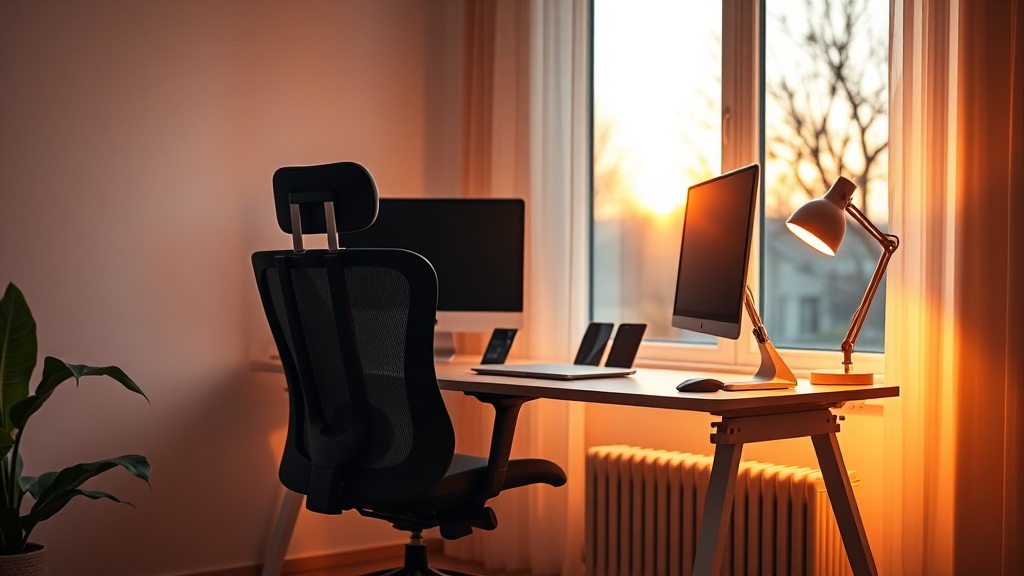
Home Office Ergonomics Refresh After Daylight Saving

Did you know the extra evening light from daylight saving can actually strain your eyes and posture? As the sun sets later, many of us stay glued to our screens well into the night, only to feel the next morning’s aches. A few smart, low‑cost tweaks to your home office can keep you comfortable and focused as those longer evenings roll in.
When the clocks jump forward, the shift isn’t just about losing an hour of sleep—it’s a signal that our work habits need a quick reset. A well‑designed workspace helps you stay productive without sacrificing health, especially when the daylight stretches your workday.
How does longer daylight affect my home office setup?
Daylight saving means more natural light in the evening, which can be a blessing or a curse. While soft evening light can be soothing, it also creates glare on screens and can throw off your body’s natural rhythm. According to the CDC’s daylight saving guide, the abrupt change can disrupt sleep patterns, making it crucial to adjust your environment to support alertness and comfort.
What low‑cost ergonomic adjustments can I make right now?
Here are five budget‑friendly changes you can implement this week:
- Monitor height. Position the top of your screen at or slightly below eye level. A simple monitor riser (even a sturdy book) can make a world of difference. Think of it like choosing the right tool for the job.
- Chair support. Add a lumbar pillow or rolled towel to support the lower back. If your chair lacks adjustment, an OSHA‑approved cushion can help.
- Desk organization. Keep only essentials within arm’s reach to avoid repetitive stretching. A tidy desk mirrors the efficiency of a well‑packed travel kitchen.
- Keyboard and mouse placement. Align them so your elbows stay at a 90‑degree angle. Wrist rests are optional but can reduce strain.
- Micro‑breaks. Follow the 20‑20‑20 rule: every 20 minutes, look at something 20 feet away for 20 seconds. It eases eye fatigue and keeps you refreshed.
Which lighting options reduce eye strain during evening work?
Natural light is great, but as the sun dips, you’ll need supplemental lighting. Choose warm‑tone LED lamps with adjustable brightness. A desk lamp with a dimmer (like the Energy .gov lighting guide) mimics sunset and prevents harsh glare.
How can I arrange my desk to stay comfortable for longer hours?
Follow this simple layout:
- Place your monitor directly in front, about an arm’s length away.
- Position the keyboard and mouse on a flat surface, centered under the monitor.
- Keep a small plant or personal item on the far side to balance visual focus.
- Ensure the desk height allows your forearms to rest parallel to the floor.
Visual balance not only looks inviting but also reduces neck rotation, a common cause of tension after a long day.
What quick habits boost focus as the evenings stretch?
Beyond ergonomics, a few behavioral tweaks keep productivity high:
- Set a “soft close” time. Aim to finish major tasks an hour before you plan to unwind.
- Hydrate. Keep a water bottle at your desk; dehydration can mimic fatigue.
- Mindful breathing. Two minutes of deep breaths reduces cortisol and sharpens concentration.
Takeaway
Daylight saving is an opportunity to refresh your workspace without a major overhaul. By adjusting monitor height, adding lumbar support, optimizing lighting, and embracing micro‑breaks, you’ll stay comfortable and productive well into those longer evenings. Try one change this week, notice the difference, and keep iterating—your back (and your schedule) will thank you.