Nixtamalization Is the Missing Step Between Corn and Real Flavor

Nixtamalization Is the Missing Step Between Corn and Real Flavor
Your kitchen should smell like wet stone, warm corn, and a little bit of rain after the first boil. That is nixtamal day.
If you only know corn as flour from a bag, you are missing one of the most important transformations in world cooking. Nixtamalization is the alkaline cook-and-soak process that turns dried maize into nixtamal, which becomes masa for tortillas, tamales, and a lot of food memory across Mexico and Central America.
This is not a romantic extra step. It changes flavor, texture, and nutrition in ways your pan can taste immediately.
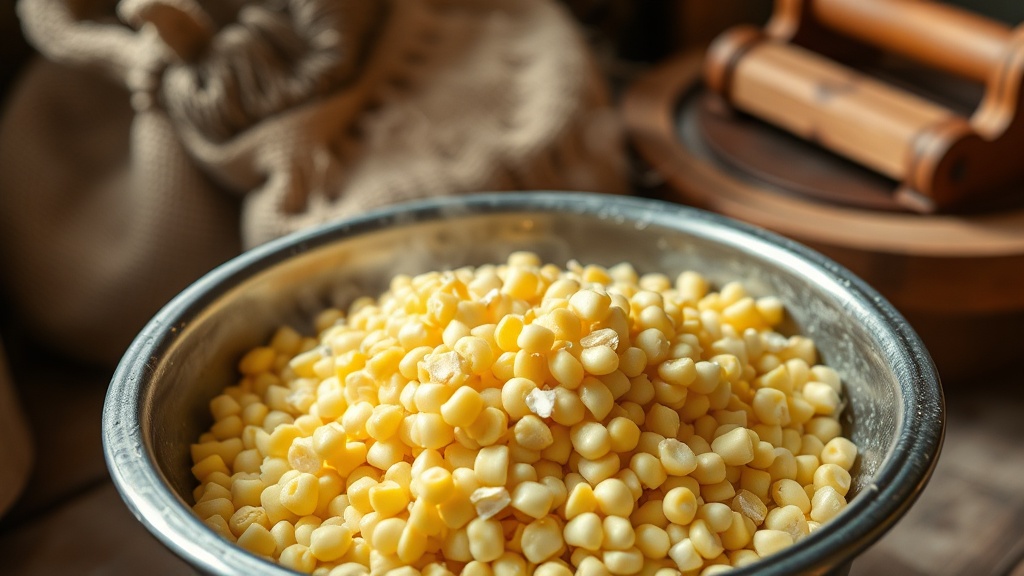
What Nixtamalization Actually Does
At home, the process is simple: cook dried field corn in water with a small amount of food-grade calcium hydroxide (cal), rest it, rinse it, and rub off loosened skins.
That alkaline bath does three jobs:
- It loosens the pericarp (the outer skin), so corn can be ground into smooth, cohesive masa.
- It shifts flavor from flat starch to deep, mineral corn aroma.
- It makes niacin in maize more available to the body, which is one reason corn-based civilizations that used nixtamalization avoided nutrition problems that appeared in places that skipped the process.
The real hero here is cal: inexpensive, quiet, and doing chemistry that your tongue can feel.
My Opinion, Plainly
Most U.S. tortilla advice still overfocuses on toppings and underfocuses on corn prep.
If the base tortilla is weak, no salsa can save it. I would rather eat one hot tortilla made from fresh masa and salt than a stacked plate of overloaded tacos built on lifeless rounds.
Flavor starts before the comal. It starts in the pot.
Suitcase to Stovetop: Home Nixtamal for Weeknight Tortillas
This is a practical home batch. It makes enough masa for roughly 28 to 32 small tortillas, depending on thickness.
Ingredients
- 1 kg dried field corn for nixtamal (white or yellow; not sweet corn)
- 10 g food-grade cal (about 1% of corn weight)
- 3 liters water, plus more for rinsing and grinding
- 18 g kosher salt for masa (start here, then adjust)
Equipment
- Large non-reactive pot
- Colander
- Bowl for rubbing/rinsing
- Grain mill or high-power food processor
- Tortilla press and plastic liners
- Comal or cast-iron skillet
Method
- Dissolve cal. Bring 3 liters water to a simmer and whisk in cal until dissolved.
- Cook the corn. Add corn, return to a gentle simmer, and cook 25 to 35 minutes. Kernels should be tender on the outside but still have structure in the center.
- Rest overnight. Turn off heat, cover, and let corn steep 8 to 12 hours at room temperature.
- Rinse and rub. Drain corn. Rinse while rubbing kernels between hands to remove most skins. Keep a little skin if you want more rustic texture.
- Grind to masa. Grind nixtamal fine, adding small splashes of water as needed. You want soft clay texture: moist, smooth, and cohesive.
- Salt and test. Knead in salt. Press one test tortilla and cook it before salting further.
- Press and cook. Press balls to about 5 inches wide. Cook on hot comal: about 30 to 45 seconds on first side, 45 to 60 on second, then flip once more to encourage puffing.
If your tortilla does not puff, that is not failure. It is feedback: usually hydration, grind fineness, or heat level.
Three Mistakes I See Constantly
1) Using too much cal
More cal does not mean better corn. Push too high and you get harsh, soapy bitterness.
2) Under-soaking the corn
Freshly boiled corn is not finished nixtamal. The steep is where interior texture catches up.
3) Grinding too dry
Dry masa cracks at the press and cooks into rigid tortillas. Add water a teaspoon at a time until dough feels like soft ear lobe, not play-dough.
Pantry Logistics in the U.S.
- Look for labeled nixtamal corn from Mexican markets, online masa suppliers, or farms growing dent/flint varieties for tortillas.
- Buy food-grade cal sold for nixtamal or pickling; keep it dry and sealed.
- Freeze extra masa in flattened bags. Thaw in the fridge, then re-knead with a splash of warm water.
This is still cheaper than buying premium packaged tortillas every week, and the quality gap is not subtle.
Why This Topic Matters Beyond the Kitchen
Nixtamalization is a reminder that culinary technique is also knowledge history. Indigenous cooks solved chemistry with observation, repetition, and community memory long before modern nutrition language arrived.
When people talk about corn like it is just another neutral carbohydrate, I hear a missing chapter.
The chapter is this: process is culture. Process is survival. Process is flavor.
Lesson from the Table
Good tortillas are not a product hack. They are a sequence.
If you respect the sequence, corn gives you more than starch: it gives you aroma, structure, and a direct line to the people who figured this out centuries ago with no laboratory branding attached.
Eat the history. Meet the maker. Cook the story.