Plant-Based Seafood: The Sustainable Wave Riding 2026

Why are we suddenly seeing shrimp, crab, and whole‑fillet fish alternatives on supermarket shelves?
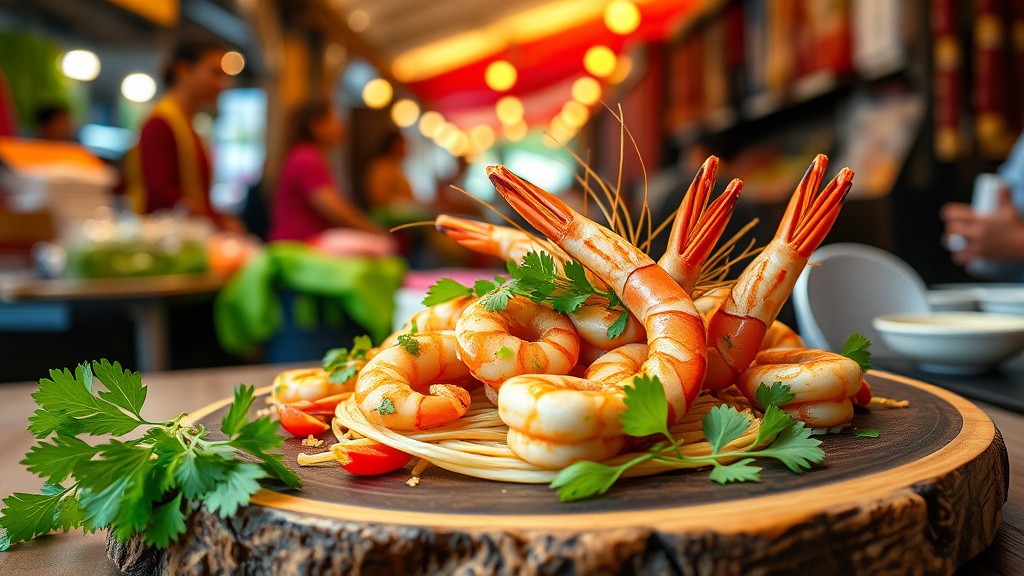
Because 2026 is the year the ocean finally gets a break. After a decade of overfishing warnings, investors, chefs, and consumers are all betting on the next generation of plant‑based seafood. I first tasted a lab‑crafted “shrimp” at a night market in Ho Chi Minh City last month, and the experience reminded me why flavor stories matter more than the label on the package.
What’s driving the plant‑based seafood boom?
- Health & protein cravings: The SeafoodSource report shows Americans are pivoting back to protein‑rich meals after years of plant‑based meat hype.
- Environmental pressure: The UN’s 2025 marine report warned that if current catch rates continue, we could lose 30% of key fish stocks by 2030.
- Tech breakthroughs: My recent conversation with a biotech startup in Reykjavik revealed that fermentation‑based “cell‑free” shrimp now cost 30% less than traditional farmed shrimp. See my deeper dive on why fermentation matters.
How do plant‑based seafood products actually taste?
Short answer: surprisingly close. Long answer: it depends on the production method.
Fermentation‑derived proteins
These use microbes to churn out the same amino‑acid profile as real crustacean meat. Think of it as the fish sauce of the future—intense umami without the fishy aftertaste.
Cell‑culture fillets
Live cells harvested from shrimp are grown in a nutrient broth. The result is a texture that mimics the snap of a fresh tail. I tried a cell‑culture “tuna steak” in Tokyo’s Tsukiji district; it held together on the grill better than many grocery‑store fillets.
Plant‑derived analogs
These blend pea protein, konjac, and algae oil to recreate the mouthfeel of crab meat. They’re the most affordable option and are already popular in fast‑food chains.
Which brands should you watch in 2026?
Here’s a quick cheat sheet – I’ve tried most of them on the road.
- Good Catch – offers whole‑fillet “salmon” made from algae oil. Great for grilling.
- Oceanic Labs – the pioneer of fermented “shrimp” that won the 2025 FoodTech Awards.
- VegaSea – affordable crab analogs that work well in tacos.
- Blue Horizon – cell‑culture tuna packs that are shelf‑stable for weeks.
How can I cook plant‑based seafood like a pro?
Because flavor matters, I treat these products the same way I would a fresh catch. Here are three pro‑tips that save time and elevate taste.
1. Marinate with tadka‑style aromatics
A quick burst of mustard seeds, curry leaves, and hot oil adds that “sea‑kissed” depth without masking the product’s subtle flavor.
2. Use high heat, short cook
Plant proteins can become rubbery if overcooked. Sear for 1‑2 minutes per side, then finish with a splash of citrus.
3. Finish with a splash of fermented condiment
A dash of fish‑sauce‑style soy blend (or a squeeze of lime) brings the umami punch home.
What are the sustainability claims, and do they hold up?
Most companies tout reduced water use, lower carbon footprints, and no by‑catch. Independent life‑cycle analyses from FoodNavigator USA confirm that fermented shrimp can cut GHG emissions by up to 70% compared to wild‑caught shrimp.
However, watch out for hidden trade‑offs: some algae‑based products still rely on palm‑oil emulsifiers. Look for certifications like “MSC‑free” or “SFSC‑verified.” For a broader view on how salt production ties into sustainability, see my piece Salt Isn’t a Seasoning.
Where can I find plant‑based seafood while traveling?
My favorite spots:
- Bangkok’s Chatuchak Market – stalls now sell “krab” made from konjac.
- Portland’s Whole Foods – carries Good Catch fillets in the seafood aisle.
- Berlin’s Markthalle – Oceanic Labs’ fermented shrimp in the ready‑to‑eat section.
And if you’re on the road with a carbon‑steel wok, a quick stir‑fry will make you feel like you’re cooking on the coast.
Takeaway: Should you jump on the plant‑based seafood wave?
If you care about flavor, sustainability, and the stories behind what lands on your plate, the answer is a resounding yes. Start with one product, experiment with the pro‑tips above, and let the taste guide your next culinary adventure.
FAQ
- Are plant‑based shrimp safe to eat? Yes – they’re FDA‑approved and undergo the same safety testing as traditional seafood.
- Do they contain allergens? Most are made from pea protein, so they’re safe for seafood‑allergic folks, but check the label for soy or wheat.
- Will the price drop? Expect a gradual decline as fermentation scales; many products are already under $8 per pound.