Portable Kitchen Travel Guide: Essential Gear for Food Lovers

Why a Portable Kitchen Changes the Way I Travel
A portable kitchen transforms the way I travel, letting me whip up authentic meals wherever I land. Ever felt the frustration of hunting down a decent meal in a foreign market only to settle for something bland? I’ve been there—standing in a bustling night stall, watching locals whip up dishes that look like they belong in a museum. The solution? A portable kitchen that fits in a suitcase. In this guide, I’ll show you how to build a lightweight, versatile setup that lets you cook the flavors you love, no matter where you land.
What Are the Core Elements of a Travel‑Ready Kitchen?
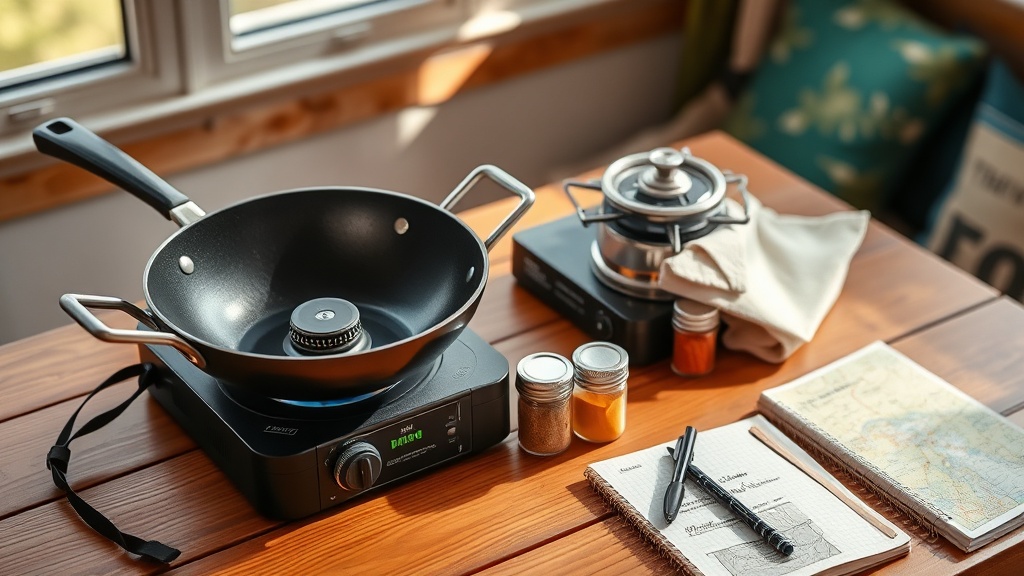
Think of a portable kitchen as a three‑part puzzle: heat source, cooking vessel, and flavor kit. Each piece has to be compact, durable, and adaptable to everything from a hostel kitchen to a street‑side grill.
1. How Do I Choose the Right Portable Stove?
When I first bought a single‑burner canister stove, I learned the hard way that fuel availability varies by country. Opt for a dual‑fuel model (butane/propane) that lets you buy canisters worldwide. Look for:
- Weight under 1 lb (≈450 g)
- Adjustable flame for simmering
- Wind‑shield or integrated wind guard
My favorite is the Jetboil MiniMo — it boils water in under two minutes and folds into a compact case.
2. Which Cooking Vessel Gives Me the Most Bang for My Buck?
Enter the carbon‑steel wok. In my previous post, I detailed why a seasoned wok is the ultimate travel pan: it heats fast, distributes heat evenly, and develops a non‑stick patina over time. Choose a 12‑14 in wok with a flat bottom for stovetop stability.
Season it before you leave home: heat, coat with high‑smoke‑point oil, and repeat until the surface is dark and glossy. That patina is your passport to flavor.
3. What Essentials Should My Spice Kit Contain?
Instead of lugging a full spice rack, I boil my kit down to five multipurpose powders:
- Salt — sea salt for texture, kosher for seasoning.
- Black pepper — freshly cracked for heat.
- Chili flakes — a pinch of heat that travels well.
- Garlic powder — an all‑purpose umami booster.
- Ground cumin — adds depth to everything from tacos to stir‑fries.
Store them in small, airtight silicone bags (like the ones I keep in my travel pouch). They’re lightweight, leak‑proof, and survive any luggage inspection.
How Do I Pack All This Gear Efficiently?
Organization is the secret sauce. Here’s my step‑by‑step packing routine:
- Layer the base. Place the stove and fuel canisters at the bottom of a padded travel bag. Their weight stabilizes the load.
- Wrap the wok. Use a thick kitchen towel or a dedicated wok sleeve (I sew my own from denim). This protects the patina and prevents scratches.
- Slot the spice packets. Tuck them into the side pockets of the bag, accessible but sealed.
- Add the accessories. A small whisk, a silicone spatula, and a collapsible colander all nestle in the top compartment.
- Include a notebook. I always bring a pocket‑sized notebook to sketch market layouts and jot down flavor experiments.
When I’m on a train from Oaxaca to Mexico City, everything fits into a 20‑liter backpack that feels no heavier than a water bottle.
What Are the Common Mistakes and How Can I Avoid Them?
- Skipping seasoning. A cold wok will stick and taste metallic. Take the time to build that patina before your first trip.
- Overpacking fuel. Regulations differ: some countries limit canister size. Carry a refillable fuel bottle where legal.
- Forgetting local cooking customs. Research whether the destination prefers wok‑style stir‑fry or open‑fire grilling. Adjust your gear accordingly.
Where Can I Find Quality Gear on a Budget?
Don’t feel compelled to splurge on brand‑new equipment. Second‑hand markets, especially in travel hubs like Bangkok’s Chatuchak or Berlin’s flea markets, often have well‑seasoned woks and compact stoves for a fraction of the price. Just inspect for rust and test the flame before buying.
What’s the Takeaway?
With a lightweight stove, a seasoned carbon‑steel wok, and a curated spice kit, you can recreate the dishes you love from any corner of the globe. The portable kitchen isn’t just a set of tools — it’s a passport to authentic, self‑made meals that honor the cultures you explore.
Related Reading
- The Carbon Steel Wok Is a Passport: Why I Travel With 14 Inches of Patina — deeper dive into wok seasoning and travel stories.
- Market Survival Guide for the Brave Traveler — tips for navigating bustling food markets safely.
- The 10‑Minute Tadka That Fixes Flat Weeknight Cooking — quick flavor‑boost techniques you can adapt on the road.