Sofrito Is a Map, Not a Jar: A Practical Guide to Puerto Rican, Cuban, and Dominican Bases

Sofrito Is a Map, Not a Jar: A Practical Guide to Puerto Rican, Cuban, and Dominican Bases
The pan hisses, garlic hits hot fat, and suddenly your kitchen smells like somebody's grandmother is about to correct your life choices. That smell is not "just onions and peppers." It's migration in real time.
If you grew up buying one green tub labeled sofrito and calling it a day, no shame. But you are leaving precision and flavor on the table. In Caribbean kitchens, these bases are related cousins, not clones. Knowing which one to build changes the whole dish.
This is the field guide I wish more home cooks had: three core styles, what makes each one distinct, and exactly how to use them tonight.
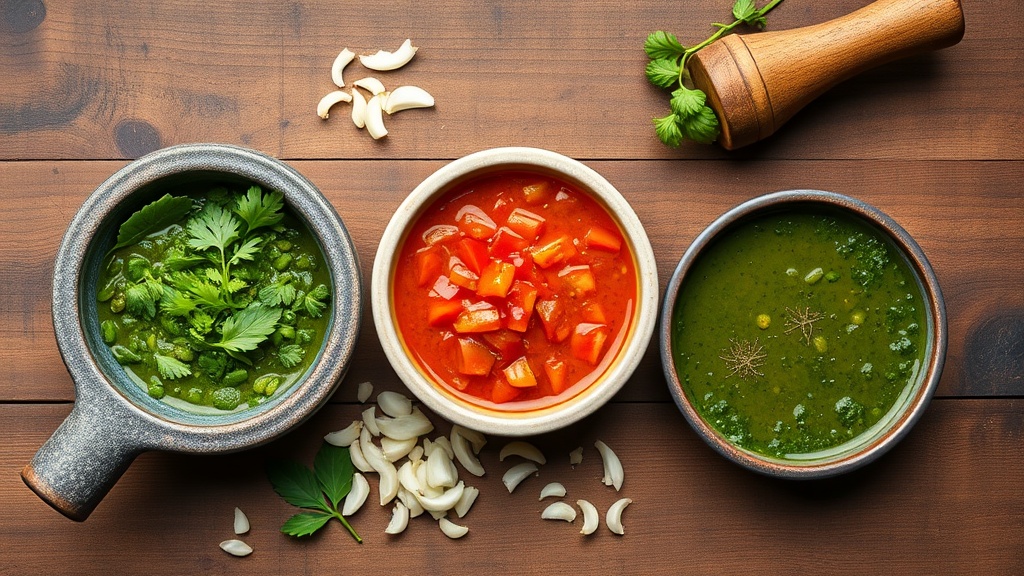
First, Stop Treating Sofrito Like a Single Recipe
"Sofrito" is a family name. Under that name, ingredients shift by island, by neighborhood, and by household memory.
At minimum, you'll see a backbone of alliums and peppers. After that, the personality changes fast:
- Puerto Rican versions often lean green and herb-forward, with culantro (recao) and aji dulce.
- Cuban versions center onion, garlic, and bell pepper, often cooked down with tomato and dry spices.
- Dominican sazón licuado lives in the blender world: garlic, onion, ajíes, herbs, and oregano, built for daily batch cooking.
The real hero here is proportion. Two cooks can use the same ingredients and produce totally different results just by shifting pepper-to-herb ratio and how long they cook the base.
The 3-Base Cheat Sheet
1) Puerto Rican Style (Recaito-Forward)
Flavor shape: Green, punchy, herbal, slightly sweet from aji dulce.
Core build:
- Culantro (recao)
- Cilantro
- Aji dulce
- Garlic
- Onion
- Optional: green bell pepper, capers, olives (house style dependent)
Best uses:
- Arroz con gandules
- Habichuelas guisadas
- Stewed chicken
- Bean and root-veg soups
How to handle it:
Blend first, then cook briefly in oil to wake it up before adding rice, beans, or braising liquid.
2) Cuban Style (Sofrito Cocido)
Flavor shape: Sweeter and rounder from cooked onion/pepper, deeper when tomato is included.
Core build:
- Onion
- Garlic
- Green bell pepper (or cubanelle)
- Optional but common: tomato, bay leaf, oregano, cumin
Best uses:
- Picadillo
- Black beans
- Ropa vieja
- Tomato-leaning braises and stews
How to handle it:
Cook low and longer than you think. You want the onion-pepper mix soft and cohesive, not raw and sharp.
3) Dominican Style (Sazón Licuado)
Flavor shape: Fresh, aromatic, savory-herbal; designed for fast seasoning across many dishes.
Core build:
- Garlic
- Onion
- Aji cubanela or other mild peppers
- Cilantro and/or parsley
- Oregano
- Optional: celery, leek, bitter orange juice (house style)
Best uses:
- Moro and locrio-style rice
- Braised meats
- Everyday stews
- Quick marinade base
How to handle it:
Blend in batches and store in small portions. Think of it as your daily mise en place, not a one-off sauce.
Weeknight Workflow: One Prep, Three Dinners
If you want this system to actually stick, do this on Sunday:
- Build one large neutral batch: onion, garlic, mild peppers, cilantro, oregano.
- Split into three containers.
- Tune each container:
- Add culantro + aji dulce to one (Puerto Rican lane).
- Add tomato paste + cumin + bay to one (Cuban lane).
- Keep one bright and herb-heavy (Dominican lane).
- Freeze in tablespoon portions.
Now your Tuesday beans, Wednesday rice, and Thursday braise stop tasting like the same meal.
Ratios That Won't Betray You
For a home batch (about 2 cups), start here:
- 2 medium onions
- 1 whole garlic head (peeled cloves)
- 3 to 4 mild peppers total
- 1 packed cup herbs
- 1 to 2 tablespoons neutral oil for cooking (if cooking first)
- 1 teaspoon kosher salt to start
Adjust by intent:
- Want brighter, greener flavor? Increase herbs by 25%.
- Want sweeter backbone? Increase onion and cook longer.
- Want more savory bass note? Add a touch more garlic and oregano, then rest overnight before freezing.
Common Mistakes That Flatten Flavor
1) Using old herbs
If cilantro and culantro are tired, your base will taste muddy no matter what else you do.
2) Over-salting in the base
These bases get reduced in cooking. Salt lightly up front and season in the final dish.
3) Skipping fat contact
Even blender-style bases need a quick bloom in oil for full aroma release.
4) Pretending one jar fits every dish
A bean pot, a tomato braise, and a rice dish do not want the same seasoning profile.
What to Buy If You're Starting From Zero
- Culantro (recao), not just cilantro, if you want Puerto Rican depth
- Aji dulce or similar sweet, low-heat peppers
- Cubanelle peppers for softer sweetness than standard bell peppers
- Dried oregano (Caribbean or Dominican if available)
- Small freezer containers or ice cube trays
If your neighborhood doesn't carry all of this, build with what you can and keep the structure: allium + pepper + herb + heat management.
My Take, Plainly
People argue over whose sofrito is "correct" and miss the useful question: what problem is this base solving in the dish in front of you?
If your rice tastes one-dimensional, you need a greener, fresher base.
If your stew tastes thin, you need a longer-cooked onion-pepper foundation.
If your weeknight food tastes repetitive, you need two or three distinct bases on deck.
Cook for function first, pride second.
Lesson from the Table: the fastest way to cook with respect is to learn the pattern, then listen to the household in front of you.