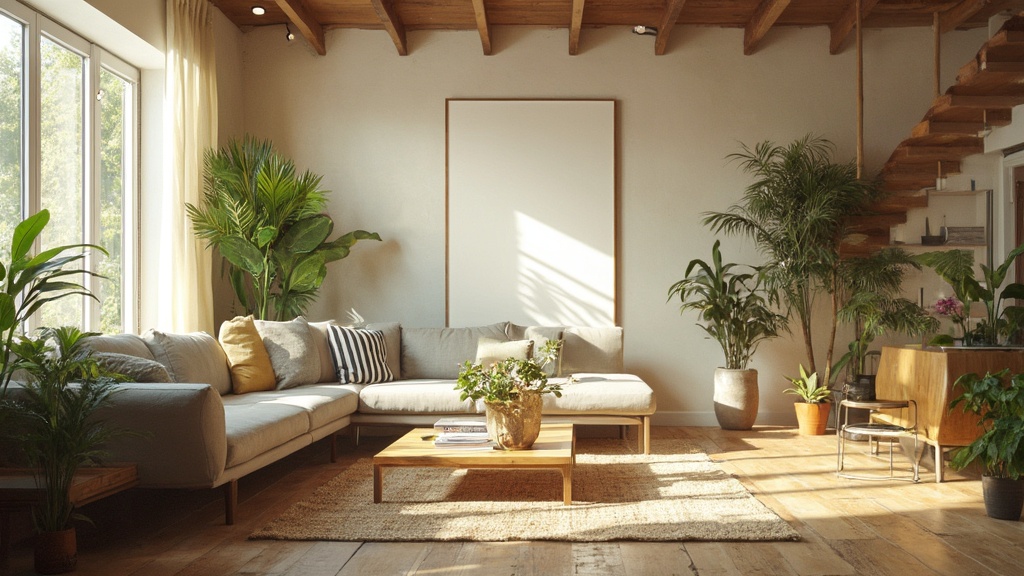
Spring Refresh: Eco-Friendly Home Upgrades Inspired by Paige Thalia’s Apartment Makeover

Spring Refresh: Eco‑Friendly Home Upgrades Inspired by Paige Thalia’s Apartment Makeover
Hook:
Imagine walking into a living room where the floor glitters with the same crimson sheen that once dazzled Hollywood’s Oscars stage. That’s exactly what content creator Paige Thalia did—turning a discarded red‑carpet into a bold, sustainable floor upgrade. Her story proves that a little creativity can turn waste into a stunning spring refresh.
Why a Spring Refresh Matters Now
Spring isn’t just about blooming flowers; it’s the perfect moment to shake off winter’s stagnation and give our homes a fresh, eco‑friendly lift. As the days grow longer, we naturally want brighter spaces, but many upgrades come with hidden environmental costs. By borrowing Paige’s mindset—reuse, repurpose, and revitalize—you can upgrade without inflating your carbon footprint or your budget.
What Did Paige Thalia Do? (The Story Behind the Carpet)
Paige, a Los Angeles‑based content creator, spotted a roll of the 2026 Oscars red carpet abandoned in a dumpster outside the Dolby Theatre. Instead of letting it go to waste, she rescued a section, cleaned it, and installed it as the centerpiece of her new apartment floor. The story was covered by the New York Times and Hindustan Times:
- NYT: “Paige Thalia’s apartment floor got an upgrade this week thanks to some leftovers from the Academy Awards.” [NYT article]
- Hindustan Times: “She picked up the carpet and has since placed it in her apartment, offering an unforeseen and eco‑friendly solution to her requirement for a new rug.” [HT article]
Her move sparked a conversation about upcycling luxury waste and showed that high‑impact design can start with a single bold decision.
Practical, Budget‑Friendly Eco‑Upgrades for Your Spring Refresh
1. Can I Repurpose Existing Materials?
Instead of buying new flooring, look for reclaimed wood, salvaged tiles, or even discarded fabrics that can be transformed. Local salvage yards often sell pallets, reclaimed brick, or vintage carpet at a fraction of retail price. Paige’s red‑carpet is an extreme example, but even a hand‑woven rug made from reclaimed denim can add texture and story to a room.
Tip: When shopping second‑hand, ask sellers about treatment history—ensure the material is free of chemicals or mold.
2. How Do I Make My Walls Greener?
Traditional paint emits volatile organic compounds (VOCs). Opt for low‑VOC or natural clay paints (e.g., Farrow & Ball’s “Eco‑Friendly” line). They not only improve indoor air quality but also give a matte, earthy finish that pairs well with spring light.
3. What Energy‑Saving Lighting Can I Add?
Swap incandescent bulbs for LEDs with a warm color temperature (2700‑3000 K). LEDs use up to 80% less energy and last 25 × longer. Pair them with smart dimmers to reduce electricity use during daylight hours.
4. Are There Simple Water‑Saving Hacks?
Install low‑flow aerators on faucets (reduce flow by 30‑40% without sacrificing pressure) and dual‑flush toilets. A modest upgrade can shave 10‑15 gal/day off your water bill—equivalent to the water saved by a small household garden.
5. Can I Upgrade My Flooring Sustainably?
If you love Paige’s boldness but need a more subtle look, consider:
- Cork flooring — renewable, biodegradable, and naturally insulating.
- Recycled‑content laminate — made from post‑consumer wood fibers and plastic.
- Bamboo — grows to maturity in 3‑5 years, offering a rapid, renewable wood alternative.
All three options can be installed as click‑lock planks, a DIY‑friendly method that requires no glue or nails.
Budget Breakdown: How Much Can You Expect to Spend?
| Upgrade | Approx. Cost (USD) | Savings Over 5 Years |
|---|---|---|
| Reclaimed wood floor (DIY) | $3‑$6 per sq ft | $500‑$1,200 (energy, durability) |
| Low‑VOC paint (1 gal) | $30‑$45 | $100 (health, reduced VOC removal) |
| LED bulbs (10 × 60 W) | $15 | $120 (electricity) |
| Faucet aerators (2 ×) | $10 | $150 (water) |
| Cork flooring (click‑lock) | $4‑$8 per sq ft | $400‑$900 |
All figures are averages for a 200 sq ft space and reflect 2026 U.S. market prices.
Where to Find Sustainable Materials
- Local Habitat Reuse Centers — often host free‑cycle events where you can pick up discarded building materials.
- Online Marketplaces — platforms like Craigslist, Facebook Marketplace, and Freecycle frequently list reclaimed wood, tiles, and vintage rugs.
- Specialty Eco‑Suppliers — sites such as EcoSupplyCo and GreenBuild curate certified sustainable products.
Takeaway: Your Spring Refresh Blueprint
- Audit your space — Identify one element (floor, wall, lighting) to upgrade.
- Source reclaimed or low‑impact materials — Follow Paige’s lead and think outside the box.
- DIY where possible — Click‑lock flooring and paint are beginner‑friendly.
- Measure impact — Track energy/water savings to see the real benefit.
- Share your story — Inspire others by posting before‑after photos with the hashtag #EcoSpringRefresh.
By treating waste as a design opportunity, you’ll not only refresh your home for spring but also contribute to a larger circular economy.
Related Reading
- Sustainable Street Food Trends 2026: What’s Hot, Not — A look at eco‑friendly practices in the food world that echo the sustainability mindset for home upgrades.
- Zero‑Waste Street Food: A Quick Guide for Sustainable Travelers — Tips on minimizing waste, useful when sourcing reclaimed materials.
- Plant‑Based Seafood: The Sustainable Wave Riding 2026 — Shows how plant‑based choices can reduce environmental impact, just like choosing reclaimed materials for your home.
- The Women Who Held the Flavor: Why We Forgot Female Chefs Built Everything We Eat — Celebrates trailblazing women who, like Paige, challenge norms and champion sustainability.
FAQ (Rich Results)
Ready to give your home a sustainable spring makeover? Grab that reclaimed wood, roll out the red carpet, and watch your space—and the planet—bloom.