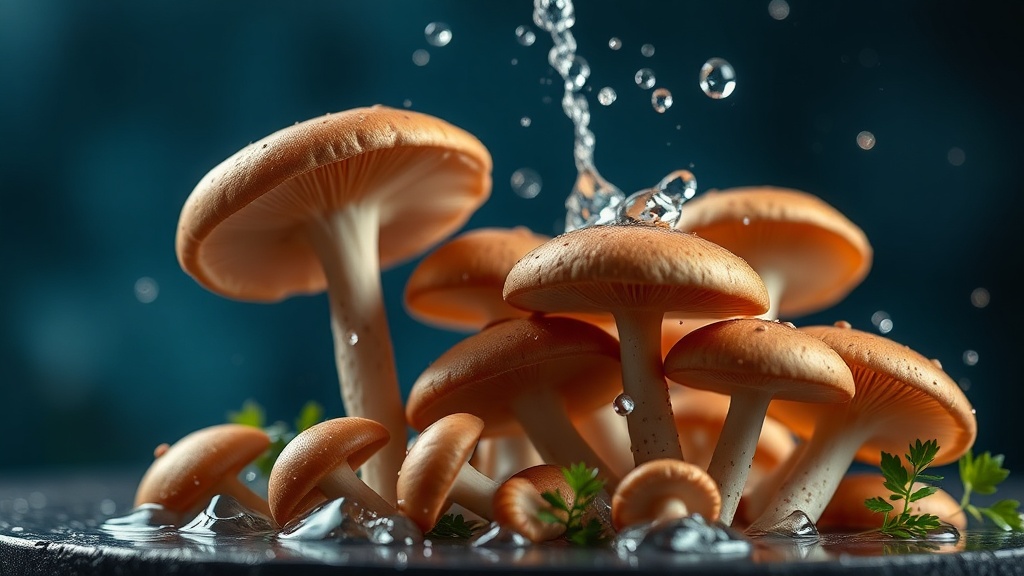
Stop Washing Your Mushrooms in Water

Quick Tip
Use a damp paper towel or a soft brush to remove dirt instead of rinsing mushrooms under running water.
A pile of fresh Cremini mushrooms sits on a cutting board, their earthy, brown caps dusted with a fine layer of soil. If you reach for the kitchen sink to rinse them under a running tap, you are making a mistake that fundamentally alters their texture and flavor. Washing mushrooms in water causes them to act like sponges, absorbing moisture that ruins your cooking process. This guide explains why you should avoid the tap and how to properly clean your fungi to ensure maximum flavor in your dishes.
The Science of Mushroom Absorption
Mushrooms are highly porous. Unlike a bell pepper or a tomato, which has a protective skin, the structure of a mushroom is composed of a dense network of cells that readily soak up liquid. When you submerge them in water, they become waterlogged. This leads to two major problems in the kitchen:
- Loss of Texture: Instead of developing a golden-brown, crispy exterior during sautéing, waterlogged mushrooms will steam in their own juices, resulting in a slimy, rubbery texture.
- Diluted Flavor: Water dilutes the natural glutamates responsible for that deep, savory taste. To maintain a high level of savory depth, you need to preserve the integrity of the mushroom's surface.
For more on how to build complex savory profiles, read our post on building deep flavor with fermented pastes.
Three Ways to Clean Mushrooms Properly
Depending on the variety and the amount of debris present, use one of these three professional techniques to prep your mushrooms without ruining them.
1. The Dry Brush Method (Best for most varieties)
This is the gold standard for everyday mushrooms like White Button, Cremini, or Shiitake. Use a dedicated mushroom brush or a soft-bristled pastry brush to gently flick away bits of substrate or dirt. This removes the debris without introducing any moisture.
2. The Paper Towel Wipe (Best for light dirt)
If your mushrooms are relatively clean but have a slight film of dust, simply use a damp paper towel to wipe the caps. This provides just enough moisture to clean the surface without the mushroom absorbing liquid into its interior.
3. The Rapid Rinse (The last resort)
If you are working with very dirty wild mushrooms, such as Chanterelles or Porcini, you may need to use water. In this case, do not soak them. Place them in a colander and rinse them under a high-pressure stream of water for only a few seconds. Immediately pat them completely dry with a clean kitchen towel or paper towels before they hit the pan.
Pro Tip: Always ensure your mushrooms are bone-dry before adding them to a hot pan with oil or butter. This ensures a proper sear and prevents the dreaded "soggy mushroom" effect.