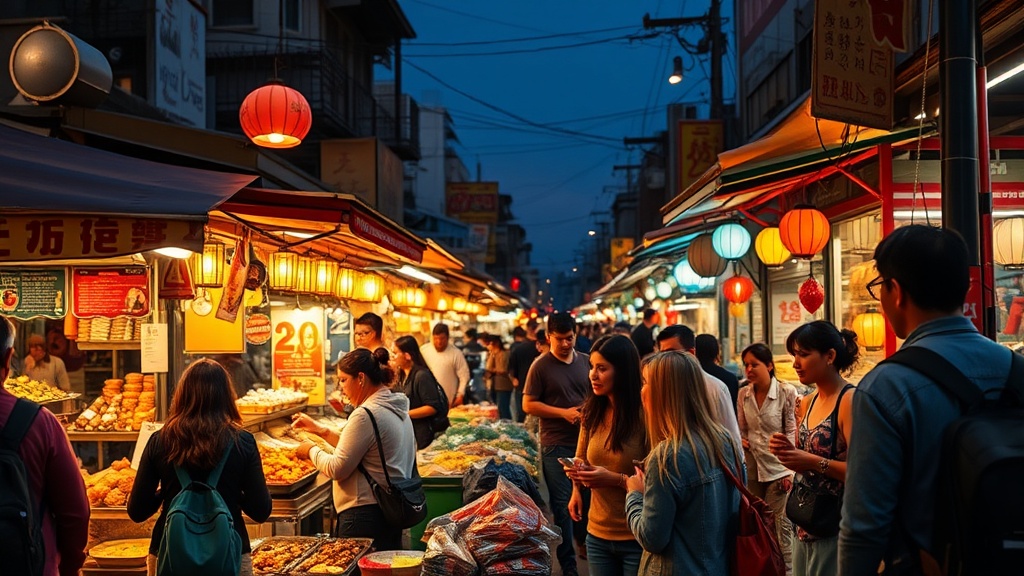
Street Food vs. Fast Food: A Flavorful Comparison for 2026

Which Eats Won the 2026 Battle: Street Food or Fast Food?
Hook: Imagine biting into a sizzling taco from a bustling night market, then swapping it for a greasy burger from a drive‑through. Which one leaves you feeling better, richer in culture, and kinder to the planet? The answer might surprise you.
Context: As we cruise through 2026, the global palate is shifting. Travelers crave authenticity, while busy city‑dwellers still reach for the convenience of fast‑food chains. Let’s break down the showdown on health, sustainability, flavor, price, and future trends.
What’s the Health Score?
Street vendors often use fresh, locally‑sourced ingredients, minimal processing, and cooking methods that retain nutrients. A 2023 study from the World Health Organization found that meals prepared on the spot contain up to 30% more vitamins than heavily processed fast‑food items.
Fast‑food chains, meanwhile, rely on standardized recipes that prioritize shelf‑life. According to the Harvard School of Public Health, the typical fast‑food meal exceeds the recommended daily sodium limit by 40%.
Which Is More Sustainable?
Street food stalls source ingredients daily, often from nearby markets, reducing transportation emissions. Our own "Sustainable Street Food Trends 2026" report shows a 12% drop in carbon footprints for vendors using reusable packaging.
Fast‑food giants ship frozen patties and sauces across continents, creating a sizeable carbon load. The EPA’s greenhouse‑gas inventory attributes over 5% of global food‑related emissions to large‑scale fast‑food logistics.
Which Delivers Deeper Cultural Insight?
Every street stall tells a story—whether it’s a family‑run taco cart in Oaxaca or a dim sum cart in Hong Kong. In "The Carbon Steel Wok Is a Passport" I recount how a single wok opened doors to centuries‑old culinary traditions.
Fast‑food menus, while occasionally localized, largely serve a homogenized taste that strips away regional nuance. The cultural loss is evident in a 2024 UNESCO report warning that global fast‑food chains contribute to the erosion of intangible food heritage.
How Do Prices Compare?
Street food can be both cheap and high‑quality. A bowl of pho in Hanoi costs roughly $1.50, while a comparable fast‑food combo in the U.S. averages $8.00. However, price variability exists—tourist‑heavy stalls may charge premium rates.
Fast‑food chains benefit from economies of scale, offering consistent pricing worldwide. For budget travelers, a fast‑food chain can still be the most predictable option.
What’s the Outlook for 2026 and Beyond?
Consumers are increasingly demanding authenticity. A 2025 survey by Nielsen showed 68% of millennials prefer “local, authentic experiences” over chain offerings.
Fast‑food giants are responding with “gourmet” lines and plant‑based menus, but the core appeal of street food—its spontaneity and cultural depth—remains unmatched.
Takeaway: Choose the Street When You Can
For health, sustainability, and cultural immersion, street food takes the lead. Fast food still wins on convenience and predictability, but in 2026 the street is where the future of flavor lives.
Ready to dive into the world’s night markets? Check out our guide to 2026 Street Food Trends Shaping the Global Palette for the hottest destinations.