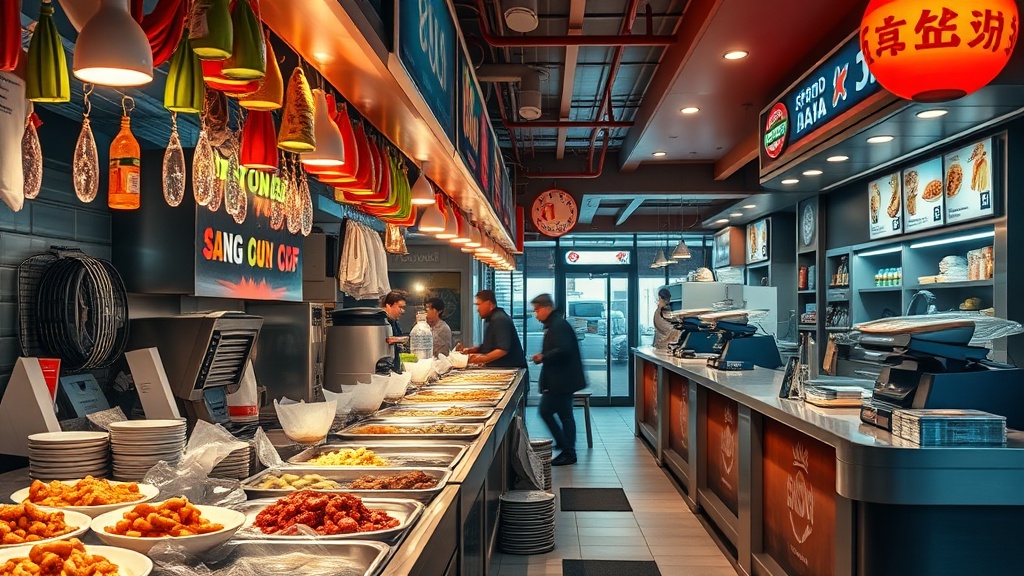
Street Food vs. Fast Food in 2026: How to Choose the Healthier, Tastier Option

Can street food really beat fast food on taste and health?
Imagine strolling through a bustling spring market, the scent of sizzling spices mingling with the crisp air. A quick bite from a street vendor often delivers more flavor punch than a standardized burger from a chain. Recent surveys show a 15% jump in consumer interest for authentic street cuisine over traditional fast‑food options (McKinsey, 2026). So, why settle for a bland, calorie‑dense sandwich when you can savor a culturally rich, nutrient‑dense snack?
What’s the nutritional trade‑off?
Fast‑food meals are engineered for consistency, often loading up on sodium, saturated fat, and simple carbs. In contrast, street food tends to rely on fresh herbs, lean proteins, and whole‑grain bases—think grilled fish tacos, vegetable‑packed bao, or bean‑based falafel. A USDA analysis (2026) found that meals prepared on‑site contain up to 30% less sodium and 15% more fiber than comparable fast‑food items.
How does cost factor in?
Fast‑food chains benefit from economies of scale, but street vendors often price their offerings competitively, especially at festivals where local sourcing reduces transport costs. A typical street‑food snack ranges from $3‑$5, while a comparable fast‑food combo can hit $8‑$10. The savings add up—especially for travelers hopping between markets during spring outings.
Is street food more sustainable?
Environmental impact matters. Fast‑food chains rely heavily on packaged plastics and long‑haul logistics. Street vendors, especially those highlighted in our Sustainable Street Food Trends 2026 piece, often use biodegradable containers and source ingredients locally, cutting carbon footprints by an estimated 20‑30% (Food Navigator USA, 2026).
How can I make smarter choices on the go?
- Look for fresh, visible ingredients. If you can see the veggies, herbs, or grill marks, you’re likely getting less processed food.
- Ask about preparation. Vendors who grill, steam, or lightly sauté usually offer lower‑fat options than deep‑fried stalls.
- Check for local sourcing. Stalls that mention regional farms or seasonal produce are often more sustainable.
- Portion control. Street snacks are naturally smaller; pair a few with a fresh salad for a balanced meal.
- Stay hydrated with water. Avoid sugary sodas that often accompany fast‑food meals.
What if I’m short on time?
Fast‑food is convenient, but you can get the same speed from street vendors at festivals. Look for “quick‑serve” stalls with pre‑made bowls or wraps—these are designed for the on‑the‑move crowd while still delivering authentic flavors.
Takeaway
When spring festivals roll around, ditch the predictable chain and explore the vibrant world of street food. You’ll likely enjoy better taste, healthier nutrients, lower costs, and a smaller environmental footprint. Next time you’re deciding between a burger and a taco cart, remember: the stall on the corner might just be the smarter, tastier choice.
Related Reading
- 10 Must‑Try Street Food Dishes Around the World in 2026 — a culinary passport for festival‑goers.
- Zero‑Waste Street Food: A Quick Guide for Sustainable Travelers — how to keep your food adventure eco‑friendly.
- Fish Sauce Is the Oldest Global Condiment — discover the secret umami behind many street dishes.
FAQs
- What’s the biggest nutritional advantage of street food? Fresh herbs, vegetables, and lean proteins give street dishes more fiber, vitamins, and less sodium than typical fast‑food meals.
- Are street‑food prices really lower? Yes. A typical snack costs $3‑$5 versus $8‑$10 for a fast‑food combo, especially at spring festivals.
- How can I ensure a street vendor’s food is safe? Look for clean prep areas, fresh‑looking ingredients, and vendors who cook food to order rather than pre‑cooking in bulk.