The 10-Minute Tadka That Fixes Flat Weeknight Cooking

You hear it the second cumin hits hot ghee: a fast crackle, then that nutty, toasted perfume that turns a quiet kitchen into a place where dinner suddenly matters.
That sound is tadka (also called chaunk, baghaar, or tempering), and if you cook beans, lentils, eggs, or vegetables at home, it is the highest-return technique you can learn this month.
Most people try to build flavor by cooking longer. Street cooks and home cooks across South Asia often build flavor by finishing smarter.
What Tadka Actually Is
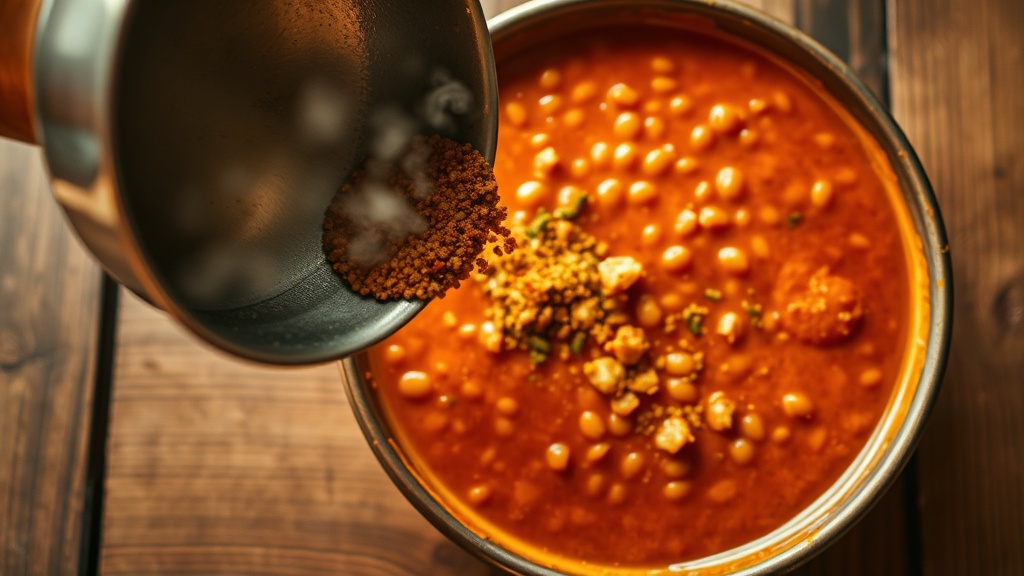
At its core, tadka is simple: you briefly bloom whole and ground spices, aromatics, and fat-soluble flavor compounds in hot fat, then pour that mixture over a finished dish.
The order matters. The heat level matters. The fat matters.
And no, this is not decorative garnish. This is structural flavor work.
If your dal tastes flat, your beans taste polite, or your sautéed vegetables taste like they are missing a sentence at the end, tadka is usually the sentence.
Why It Works
A lot of key aroma compounds in spices dissolve better in fat than in water. When mustard seed, cumin, chile, garlic, or curry leaves hit hot oil or ghee, volatile aromas wake up fast and move into the fat. That flavored fat then coats the dish.
You are not just adding spices. You are carrying aroma through the whole bowl.
The real hero here is the fat acting like a delivery system.
Suitcase to Stovetop: 10-Minute Tadka for Everyday Lentils
This is the version I teach first because it is forgiving, fast, and works in any U.S. home kitchen.
Base Lentils (Serves 4)
- 1 cup red lentils (masoor dal), rinsed
- 3 cups water
- 1/2 teaspoon turmeric
- 1 teaspoon kosher salt (plus more to taste)
Tadka
- 2 tablespoons ghee (or neutral oil)
- 1 teaspoon cumin seeds
- 1/2 teaspoon black mustard seeds
- 4 garlic cloves, thinly sliced
- 1 small shallot, finely sliced
- 1/2 teaspoon red chile flakes (or 1 dried red chile)
- 8 to 10 curry leaves (optional but excellent)
- Pinch of asafoetida (hing), optional
- 1/2 teaspoon Kashmiri chile powder or paprika
- 1 tablespoon lemon juice
Method
- Cook the lentils first. Simmer lentils, water, turmeric, and salt for 18 to 22 minutes until soft and spoonable. Stir occasionally. Keep warm.
- Heat fat in a small pan. Medium heat. You want it hot but not smoking.
- Bloom whole seeds. Add mustard seeds first. When they start to pop, add cumin seeds.
- Add aromatics. Add garlic and shallot. Stir 60 to 90 seconds until edges turn golden.
- Add chile and leaves. Add chile flakes and curry leaves. Stand back; leaves can sputter.
- Finish heat-sensitive spices. Turn heat low, add hing and chile powder, stir 5 seconds.
- Pour immediately. Pour the entire pan over hot lentils. It should hiss when it hits.
- Brighten and taste. Stir, add lemon juice, adjust salt.
Serve with rice, flatbread, or a fried egg. Leftovers get better by lunch.
Three Mistakes That Kill Tadka
1) Cold Pan, Sad Spices
If the fat is not hot enough, spices soak instead of bloom. You get dull flavor and raw bitterness.
2) Burning Garlic While Waiting for Seeds
Different ingredients cook at different speeds. Seeds first, then garlic and shallot, then powdered spices at the very end.
3) Pouring on Cold Food
Tadka should meet hot food so the fat carries through the dish instead of sitting on top.
How I Use This on Weeknights
- Spoon over canned chickpeas with a splash of water and crushed tomatoes.
- Finish roasted carrots or cauliflower right out of the oven.
- Pour over plain yogurt with salt for a fast side dish.
- Wake up leftover rice with one pan and a handful of herbs.
If you only have five ingredients, do this: ghee, cumin seed, garlic, chile, salt. That combination has rescued more tired dinners than any "secret ingredient" list on the internet.
Ingredient Notes for U.S. Kitchens
- Mustard seeds: Brown or black are ideal for this style.
- Ghee vs oil: Ghee gives rounder flavor; neutral oil gives cleaner spice edges.
- Curry leaves: Fresh is best. Dried is still useful. Skip if unavailable, but increase cumin slightly.
- Hing: Powerful. Use a pinch, not a spoon.
You do not need a specialty store to start. A basic Indian grocery run under $20 can cover many weeks of cooking.
Opinion, Plainly
I think too much American home cooking advice overvalues complexity and undervalues finishing technique.
People will tell you to simmer for two hours when what your dish actually needs is ninety seconds of correctly timed hot fat.
That is not cutting corners. That is knowing where flavor lives.
Lesson from the Table
Tadka is a reminder that great food is often not about expensive ingredients or long timelines. It is about sequence, heat, and respect for technique passed hand to hand.
When you hear that crackle and smell cumin bloom, you are hearing generations of cooks saying the same thing: finish with intention.