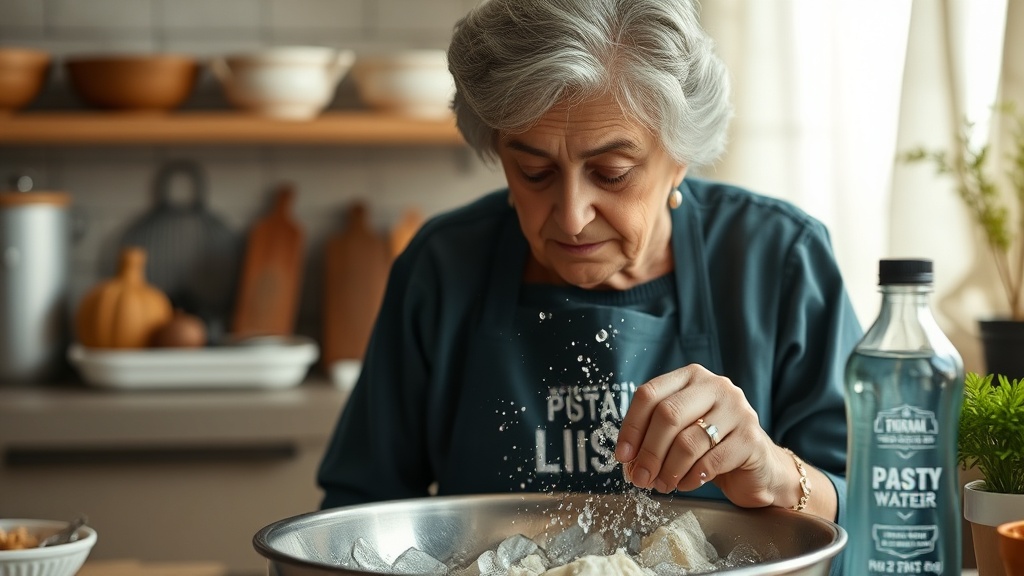
What Your Nonna Knew About Pasta Water That Science Just Confirmed

Why Do Chefs Insist on Saving Pasta Water?
Most home cooks drain their pasta into a colander and watch that cloudy liquid swirl down the drain without a second thought. It's just dirty water, right? Starchy, salty, nothing special. But here's where a century of kitchen intuition collides with modern food science—that cloudy liquid is liquid gold, and throwing it away means you're leaving flavor, texture, and sauce cohesion on the table (or rather, in the sink).
The truth about pasta water has nothing to do with some mystical Italian grandmother wisdom and everything to do with starch gelatinization, emulsion chemistry, and the molecular dance that happens when flour meets boiling water. When pasta cooks, it releases starch granules into the surrounding water. These granules burst, swell, and create a suspension that behaves like a natural thickener and binding agent. Save a cup before draining, and you've got a secret weapon that transforms ordinary sauces into restaurant-quality creations.
What Exactly Makes Pasta Water So Special?
The magic lies in two components: dissolved starch and salt. When durum wheat pasta hits boiling water, the heat causes starch molecules to absorb water and expand. Some of these molecules leach out into the cooking liquid, creating a viscous, cloudy solution. Salt—added at the right concentration (about 1-2 tablespoons per gallon)—seasons the pasta from the inside out while also strengthening the gluten network, giving you that perfect al dente bite.
But the real revelation comes when you introduce this starchy liquid to fat-based sauces. Oil and water don't mix—unless you have an emulsifier. Starch acts as that emulsifier, helping fat and water combine into a smooth, glossy sauce that clings to pasta instead of pooling at the bottom of your bowl. This is why carbonara made with pasta water achieves that silky, creamy texture without any actual cream (a technique I explored in depth when developing our perfect carbonara recipe).
How Much Pasta Water Should You Actually Save?
The standard advice says to reserve "a cup" of pasta water—but that's imprecise for a reason. Different pasta shapes release different amounts of starch. Long, thin noodles like spaghetti or linguine have high surface area relative to volume and release more starch than short, thick shapes like rigatoni or penne. Fresh pasta, made with eggs and lower-protein flour, behaves differently entirely, releasing less starch but creating a more delicate emulsion.
Here's a practical rule: save about half a cup for every four ounces of dried pasta you're cooking. Start with less than you think you need—you can always add more, but you can't take it out once it's in the sauce. The water should be actively simmering when you add it to your sauce; cold pasta water will seize the fat and create a greasy, broken mess.
Pay attention to timing, too. Pasta water is most starchy during the final minutes of cooking when the pasta has released the majority of its surface starch. Water saved at the 3-minute mark will be less effective than water saved just before draining. Some chefs (and plenty of Italian home cooks) even save the final dregs—that concentrated, almost sludgy liquid at the very bottom of the pot—for finishing sauces that need extra body.
Can You Substitute Regular Water for Pasta Water?
In a pinch, sure—but you'll sacrifice texture and flavor. Regular tap water lacks the dissolved starch that creates emulsion and body. You can fake it by adding a teaspoon of cornstarch or flour to water, but the result won't have the same depth. Pasta water carries subtle wheat flavors and seasoning from the salt bath, elements you can't easily replicate.
Some modernist cooks have experimented with adding xanthan gum or other hydrocolloids to achieve similar thickening power. These work scientifically but lack the complex carbohydrate structure that starch provides—that satisfying, slightly viscous mouthfeel that makes a great sauce cling to every ridge and hollow of your pasta.
If you're cooking multiple courses and want pasta water for a later dish, you can actually prepare "pasta water" without pasta. Simmer a handful of flour in salted water for 10-15 minutes, strain it, and you'll have a reasonable substitute. Restaurants do this for large service when they need starchy water for multiple sauces but aren't boiling pasta continuously.
Beyond Pasta: Other Uses for That Starchy Liquid
Once you start thinking of pasta water as an ingredient rather than waste, possibilities multiply. Use it to thin pestos without losing flavor—the starch helps the oil and cheese emulsify into a sauce rather than a separated pool. Add it to risotto instead of plain stock for extra creaminess (a trick borrowed from the technique of mantecatura, that final vigorous stirring that gives risotto its characteristic texture).
Bread bakers have caught on too. Pasta water can replace regular water in pizza dough, focaccia, or any bread where you want extra chew and better browning. The dissolved starches feed yeast during fermentation and caramelize beautifully in a hot oven. Southern Italian grandmothers have been using pasta water to start sourdough cultures for generations—the starch provides food for wild yeast to colonize.
Even soup benefits. A ladle of pasta water added to minestrone or ribollita adds body and silkiness without the heaviness of cream or the cloudiness of flour slurries. The neutral wheat flavor disappears into the background while the texture improves dramatically.
The Chemistry Behind the Cling
Let's get slightly technical for a moment—because understanding why pasta water works makes you a better cook. When starch granules gelatinize (the technical term for that swelling and bursting), they release amylose and amylopectin molecules. Amylose is linear and forms strong hydrogen bonds with water, creating that thick, viscous texture. Amylopectin is branched and helps create structure and stability.
In a fat-based sauce—think aglio e olio, cacio e pepe, or even a simple butter sauce—the fat molecules naturally want to separate from water. You can force them together temporarily with vigorous stirring, but they'll eventually separate. Starch molecules act as a physical barrier, surrounding fat droplets and preventing them from coalescing. The result is a stable emulsion that stays silky rather than breaking into greasy pools.
This same principle applies to pan sauces, gravies, and any sauce where you want to combine fat and liquid. The food science research on starch emulsification has exploded in the past decade, with researchers at The Culinary Institute of America and universities studying exactly how different starches behave in various conditions. Pasta water represents one of the most accessible applications of this science in home cooking.
Common Mistakes When Using Pasta Water
Even armed with the knowledge, execution matters. The biggest error? Adding cold pasta water to a hot sauce. The temperature shock can cause fats to solidify and separate. Always heat your reserved water before incorporating it—either by keeping it warm on the stove or by adding it to the sauce pot and letting it come to temperature before stirring.
Over-salting is another pitfall. If you've properly salted your pasta water (and you should—it should taste like the sea), the reserved liquid is already seasoned. Taste before adding additional salt to your sauce. Many a perfectly good cacio e pepe has been ruined by salt-heavy pasta water compounded with salty Pecorino Romano.
Finally, don't dump all the water in at once. Add it gradually, tossing constantly, until you achieve the consistency you want. The sauce should coat the back of a spoon but still flow easily. Too much water and you'll have soup; too little and the sauce will be pasty and thick. This is where practice—and trusting your eyes and instincts—matters more than precise measurements.
The next time you stand over a steaming pot of pasta, colander in hand, pause before you pour. That cloudy, unassuming liquid holds the key to sauces that actually stick to your noodles, textures that feel luxurious without heavy cream, and flavors that taste like someone in the kitchen actually understands what they're doing. Your nonna wasn't following some obscure tradition—she was practicing food science decades before the term existed. The research has finally caught up to the wisdom.