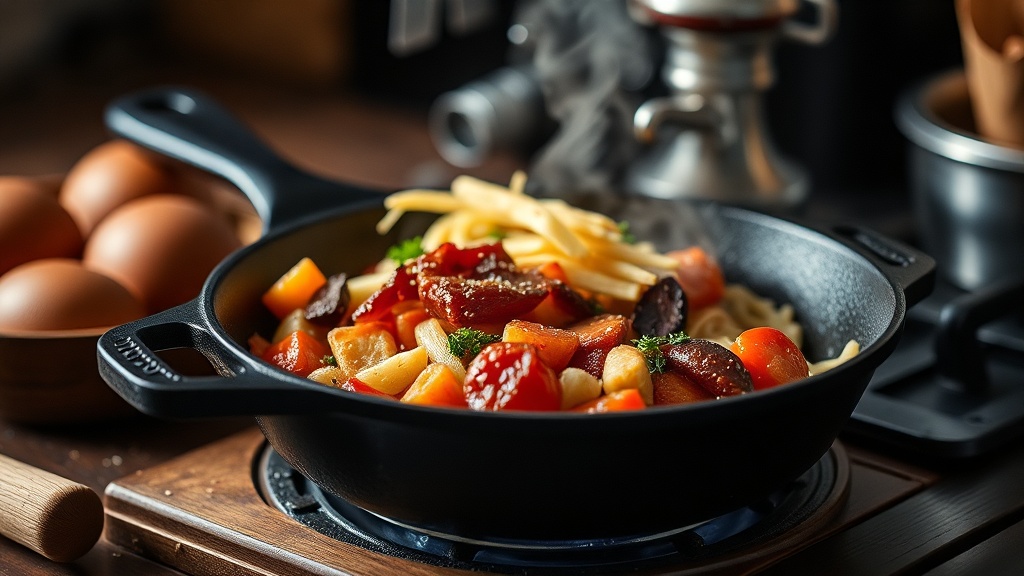
Why You Should Use Cast Iron for Your Skillet Meals

A cook stands over a stainless steel pan, trying to flip a ribeye steak, only to watch the meat stick stubbornly to the metal. The crust is uneven, the temperature has dropped, and the sear is lackluster. This frustration is common when using thin or lightweight cookware that lacks thermal mass. Switching to cast iron solves these issues by providing consistent heat retention and a natural non-stick surface through seasoning. This post explains the scientific and practical reasons why cast iron is a superior tool for skillet-based cooking and how to use it to improve your culinary results.
The Science of Thermal Mass and Heat Retention
The primary advantage of cast iron lies in its density. Unlike aluminum or thin stainless steel, cast iron has high thermal mass. This means it takes longer to heat up, but once it reaches a specific temperature, it holds that heat with incredible stability. When you drop a cold piece of protein—such as a thick-cut pork chop or a chilled salmon fillet—into a non-cast iron pan, the surface temperature of the pan drops instantly. This leads to steaming rather than searing.
In a cast iron skillet, the heat remains steady. This stability is essential for achieving the Maillard reaction, the chemical reaction between amino acids and reducing sugars that gives browned food its distinctive flavor. Without consistent heat, you miss the window for a deep, caramelized crust. This is particularly important when cooking high-density foods like cauliflower steaks or thick beef briskets, where the exterior must be crisp while the interior remains tender.
The Role of Heat Distribution
While cast iron is slower to react to temperature changes, it is exceptionally reliable for long-duration cooking. If you are making a slow-simmered shakshuka or a hearty skillet cornbread, the cast iron ensures that the heat is distributed evenly across the base. This prevents "hot spots" that can burn the center of your meal while leaving the edges undercooked. For those interested in the foundational flavors of cooking, understanding how heat interacts with ingredients is vital, much like toasting whole spices to release essential oils through controlled thermal application.
Understanding the Seasoning Process
Many people avoid cast iron because they believe it is difficult to maintain. However, the "non-stick" quality of a well-seasoned skillet is not a coating applied to the surface, but rather a layer of polymerized oil. Polymerization occurs when fats are heated to their smoke point, causing the oil molecules to bond with the iron and create a hard, plastic-like film.
To build a functional seasoning, you must use oils with high smoke points. Avoid extra virgin olive oil or butter for the initial seasoning process, as these burn too easily and will create a sticky, uneven residue. Instead, use:
- Grapeseed Oil: Highly stable and excellent for building a thin, hard layer.
- Avocado Oil: One of the highest smoke point oils available, perfect for heavy-duty seasoning.
- Flaxseed Oil: Historically used for a very hard, though sometimes brittle, finish.
A proper seasoning technique involves heating the skillet until it is slightly smoking, applying a very thin layer of oil, and then wiping it out almost entirely with a lint-free cloth before heating it again. This ensures the layer is microscopic rather than thick and tacky. A well-seasoned skillet will allow eggs to slide out easily and prevent delicate fish skin from tearing during a sear.
Versatility Across Cooking Methods
A cast iron skillet is not just a stovetop tool; it is a hybrid piece of equipment that functions across multiple heat sources. This versatility makes it indispensable for several specific cooking techniques.
Transitioning from Stovetop to Oven
p>One of the most effective ways to use cast iron is the "sear-to-oven" method. For a classic roast chicken or a thick filet mignon, you can sear the exterior in a pan on the stove to develop a crust, then move the entire skillet directly into a 400°F oven to finish the cooking process. This ensures the meat is cooked through without burning the exterior. This works perfectly for dishes like skillet lasagna or deep-dish pizza, where the pan acts as both the cooking vessel and the serving dish.
High-Heat Searing and Frying
Because cast iron can withstand extremely high temperatures without warping, it is the ideal tool for high-heat tasks. If you are making a traditional stir-fry or a crispy hash, the skillet can handle the intense heat required to keep the vegetables crisp. When cooking starch-heavy foods, such as potatoes, the cast iron provides the consistent surface heat necessary to achieve a golden-brown exterior without the center becoming mushy.
Maintenance and Longevity
The longevity of cast iron is its greatest selling point. Unlike non-stick Teflon pans, which degrade and lose their properties after a year or two of heavy use, a cast iron skillet can last for generations if maintained correctly. The goal of maintenance is to protect the polymerized oil layer from rust and buildup.
Follow these practical steps for daily care:
- Clean with minimal soap: While the myth that you can't use soap is largely outdated, you should avoid harsh detergents or soaking the pan in water. A small amount of mild dish soap is fine, but excessive water leads to oxidation (rust).
- Dry immediately: Never let a cast iron skillet air-dry. After washing, place it back on a low heat source on the stove for two to three minutes to ensure every drop of moisture has evaporated.
- The Maintenance Wipe: Once the pan is dry and warm, apply a tiny drop of oil and rub it across the surface with a paper towel. This adds a microscopic layer of protection before storage.
If you notice your pan becoming dull or food starting to stick, it is not broken; it simply needs a "re-season." This involves a deep clean followed by the polymerization process described earlier. This ability to "reset" the pan makes it a much more sustainable investment than disposable cookware.
Common Mistakes to Avoid
To get the most out of your skillet, avoid these frequent errors that can ruin both the pan and the meal:
1. Using Acidic Ingredients Too Early: While you can cook in cast iron, avoid simmering highly acidic foods—like a tomato-based sauce or a heavy vinegar reduction—for long periods in a newly seasoned pan. The acid can break down the polymerized oil layer and give the food a metallic taste. Wait until your seasoning is well-established before making tomato sauce or braised short ribs in the skillet.
2. Overheating an Empty Pan: While cast iron thrives on heat, leaving an empty pan on a high flame for too long can cause the seasoning to burn off or even damage the metal. Always add your fat (oil or butter) before the pan reaches its peak temperature.
3. Neglecting the Surface: If you see rust forming, do not throw the pan away. Use steel wool to scrub the rust away, wash it thoroughly, dry it completely, and perform a full re-seasoning. Cast iron is incredibly resilient and can almost always be brought back to life.
By understanding the physics of heat and the chemistry of oil, you turn a simple piece of metal into a precision tool. Whether you are searing a steak or baking a savory tart, the cast iron skillet provides a level of control and durability that modern synthetic pans cannot match. It is an investment in both the quality of your food and the history of your kitchen.