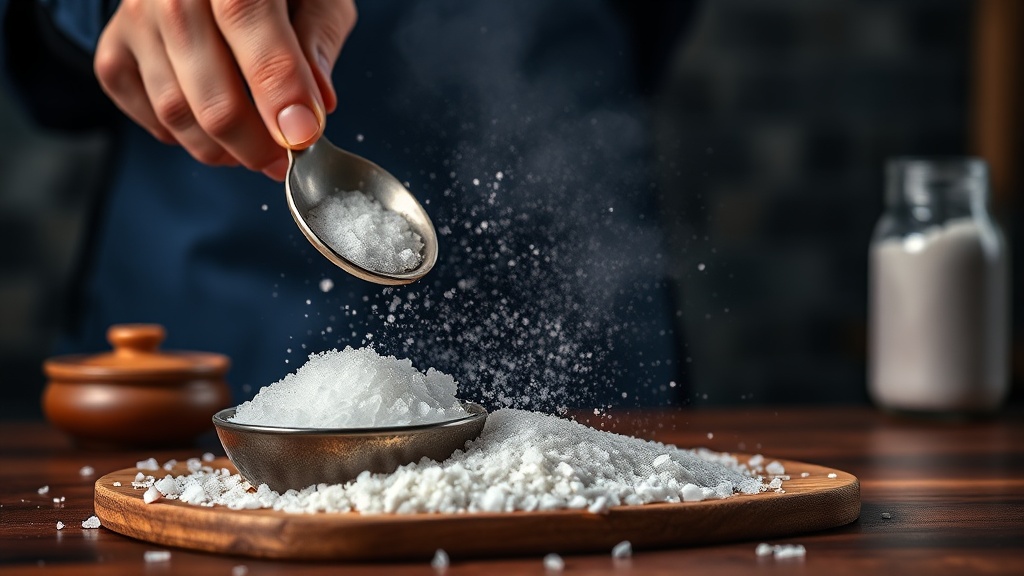
Why You Should Use High Quality Salt for Seasoning

Most home cooks believe that salt is a singular, interchangeable commodity—a white powder used solely to make food taste "salty." This is a fundamental misunderstanding of how seasoning works. Salt is not just a flavor enhancer; it is a chemical tool that alters the perception of bitterness, sweetness, and acidity. Using low-quality, highly processed table salt for finishing a dish is like using a blunt pencil to draw a fine line. This guide explains why the mineral composition, grain size, and origin of your salt matter, and how choosing the right variety can transform your cooking from mediocre to professional-grade.
The Difference Between Table Salt and Sea Salt
The primary reason your food might taste "one-note" or overly aggressive is the type of salt you are using. Standard table salt, such as Morton or Diamond Crystal (though the latter is a high-quality kosher variant), is heavily processed to remove all trace minerals. It is often treated with anti-caking agents like sodium ferrocyanide to ensure it flows freely in a shaker. While functional for baking or large-batch boiling, it lacks the complexity required for seasoning a finished dish.
High-quality sea salts and mineral salts are harvested through evaporation rather than intensive chemical refining. This process preserves the trace minerals—magnesium, calcium, and potassium—that provide a nuanced flavor profile. For example, Maldon sea salt from the Essex coast in England is prized not just for its crunch, but for its subtle, clean salinity that doesn't overwhelm the palate. When you use a mineral-rich salt, you aren't just adding sodium; you are adding a layer of complexity that interacts with the fats and proteins in your food.
The Role of Grain Size and Texture
Texture is a critical component of the sensory experience. In professional kitchens, salt is used in two distinct ways: as a seasoning agent (dissolved into the food) and as a finishing agent (sitting on top of the food). If you use fine-grain table salt as a finishing salt, it dissolves instantly upon contact with the tongue, providing a sharp, stinging sensation of saltiness. This can mask the delicate flavors of the ingredient it is meant to highlight.
Finishing salts, such as Sel Gris from the French Atlantic coast, feature larger, irregular crystals. These crystals provide a "pop" of saltiness that is released slowly as you chew. This delay allows the diner to experience the flavor of the food first, followed by a controlled burst of salinity. This technique is essential when seasoning high-quality proteins like a seared ribeye or a piece of grilled salmon. If you want to maximize the impact of your seasoning, you should also consider toasting your whole spices to ensure their aromatics are as developed as your salt's mineral profile.
Understanding Mineral Profiles: A Regional Perspective
Salt carries the "terroir" of its origin. Just as wine reflects the soil of a specific vineyard, salt reflects the water and environment from which it was harvested. Understanding these regional differences allows you to pair salt with specific cuisines or ingredients more effectively.
- Kosher Salt: Brands like Diamond Crystal are essential for the cooking process itself. The larger, flaky grains allow for better control when seasoning meats or vegetables during the cooking phase. Because it is less dense than table salt, it is easier to judge how much you are adding by weight or volume.
- Himalayan Pink Salt: Harvested from the Khewra Salt Mine in Pakistan, this salt gets its color from iron oxide. It is often used for its aesthetic appeal and its slightly more mellow, earthy profile. It is a reliable all-purpose salt for heavy stews or braises.
- Fleur de Sel: Known as "flower of salt," this is the most delicate salt harvested from the surface of salt pans in regions like Brittany, France. It is incredibly moist and has a very fine, silky texture. It is best used sparingly on top of soft foods like chocolate or ripe fruit.
- Smoked Salts: Using a salt that has been smoked over hickory or applewood, such as Applewood Smoked Sea Salt, adds a layer of depth to roasted vegetables or grilled meats without the need for liquid smoke.
How Salt Affects Flavor Perception
Salt functions as a physiological modulator. It doesn't just add "saltiness"; it suppresses certain flavors while amplifying others. This is a chemical reaction on the human tongue. For instance, salt is highly effective at suppressing bitterness. If you are cooking a dish with bitter greens like radicchio or kale, a judicious amount of salt will neutralize the harshness, making the dish more palatable.
Furthermore, salt enhances the perception of sweetness. This is why a pinch of high-quality salt is added to caramel or chocolate. The salt acts as a bridge, making the sugar feel more intense and less cloying. In savory applications, salt enhances the "umami" or savory depth of ingredients like mushrooms, aged cheeses, and fermented sauces. Because the salt is not a pure chemical hit, it allows these subtle umami notes to shine through rather than burying them under a blanket of sodium.
The Importance of Seasoning in Stages
A common mistake is adding all the salt at the very end of the cooking process. To get the most out of your high-quality salt, you must season in stages. This is often referred to as "layering" the seasoning.
- The Base Layer: Add salt early in the cooking process (such as when sautéing onions or boiling pasta water). This allows the salt to dissolve and penetrate the cellular structure of the food, seasoning it from the inside out.
- The Mid-Process Layer: Add salt during the reduction of sauces or stocks. As moisture evaporates, the salt concentration increases. Using a reliable kosher salt here ensures the seasoning is consistent.
- The Finishing Layer: This is where your premium sea salts or Maldon flakes come into play. Once the heat is turned off and the dish is plated, sprinkle a small amount of large-grain salt over the top. This provides the textural contrast and the controlled bursts of flavor discussed earlier.
Practical Tips for Selecting and Storing Salt
To ensure you are getting the quality promised on the label, you must be discerning during your shopping. Avoid any salt that lists "iodized" on the label if you are using it for finishing; iodine can leave a metallic aftertaste that ruins the nuance of high-end ingredients. If you are looking for a versatile kitchen staple, look for sea salt or kosher salt with a clean ingredient list—ideally, just one ingredient: salt.
Storage is equally important. High-quality sea salts, particularly those like Fleur de Sel, are hygroscopic, meaning they absorb moisture from the air. If you leave them in an open bowl on a humid countertop, they will turn into a clumped, unusable paste. Store your finishing salts in airtight glass containers in a cool, dry place. Avoid storing salt near your stove, as the steam and heat from cooking will degrade the texture and crystalline structure over time.
By moving away from the mindset of salt as a generic additive and viewing it as a multi-faceted ingredient, you elevate your cooking. Whether you are seasoning a simple roasted chicken or a complex reduction, the choice of salt dictates the final balance of your dish. Invest in a few distinct varieties—a reliable kosher salt for the pan and a delicate sea salt for the plate—and you will notice an immediate improvement in the depth and clarity of your flavors.