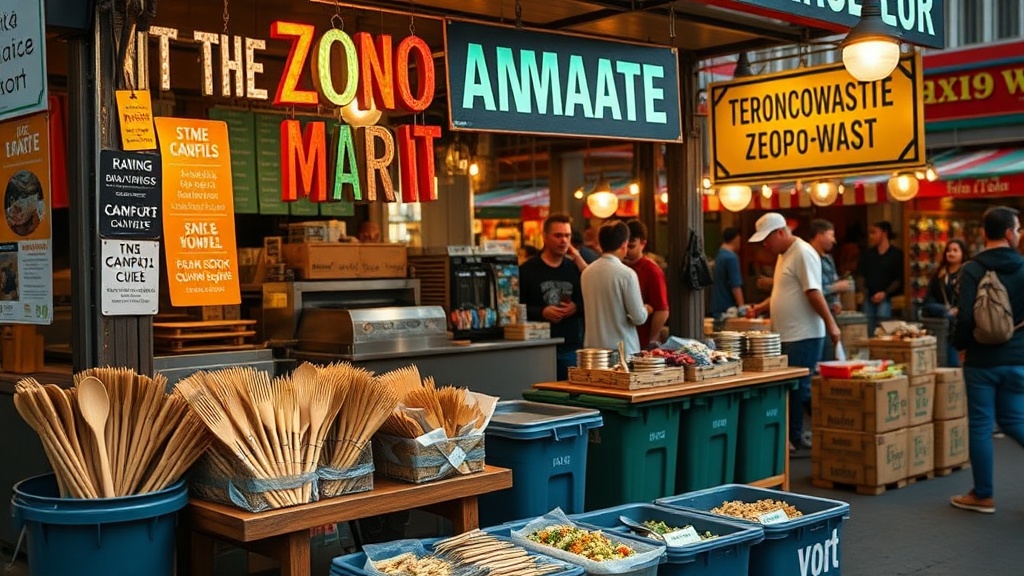
Zero-Waste Street Food: A Quick Guide for Sustainable Travelers

Ever felt guilty about the plastic waste piling up after a night at the night market? You’re not alone. Street food is the heartbeat of travel, but the trash it generates can weigh on any foodie’s conscience.
What is zero-waste street food?
Zero-waste street food means vendors and diners intentionally minimize single‑use items—think bamboo cutlery, compostable plates, and refillable sauces. The goal isn’t perfection; it’s a conscious effort to keep the market floor clean and the planet greener.
Why does it matter for travelers?
Every disposable fork or plastic cup adds up. According to the UNEP Plastic Pollution Dashboard, street‑food stalls generate up to 30 % of the plastic waste in bustling city centers. Cutting that waste means less litter in alleys, fewer micro‑plastics in waterways, and a lighter carbon footprint for your trip.
How can you spot zero-waste stalls?
- Look for reusable or compostable serving ware—bamboo, palm leaf, or stainless steel.
- Check for refill stations for sauces or drinks instead of single‑serve packets.
- Vendors who display “zero‑waste” or “eco‑friendly” signage are usually proud of their practices.
- Ask! A friendly question about their waste policy often yields a quick answer and earns you respect.
What reusable tools should you bring?
Pack light, pack smart. Here are my go‑to items that fit in a travel bag:
- Bamboo cutlery set – sturdy, dishwasher‑safe, and biodegradable.
- Silicone food‑storage bags – perfect for leftovers or sauce packets.
- Stainless‑steel straw – a tiny habit that cuts hundreds of plastic straws per trip.
- Compact reusable napkin – a cloth square that folds into a pocket.
Quick swaps: Simple changes to cut waste
Even if a stall uses disposable plates, you can still reduce waste:
- Ask for your food to be served on a paper plate or directly in a bowl you can keep.
- Refill your water bottle at a communal station instead of buying bottled water.
- Share sauces with a fellow traveler instead of each ordering a separate packet.
- Leave the “take‑away” container at the stall for the next customer.
Where to find zero-waste street food around the world?
Some cities are leading the charge:
- Portland, USA – The Portland Food Service encourages vendors to use compostable ware.
- Chiang Mai, Thailand – Night markets now offer bamboo chopsticks and reusable containers.
- Berlin, Germany – The Berlin Sustainability Office runs a “Zero‑Waste Street Food” pilot every summer.
- Mexico City, Mexico – Local NGOs partner with taco stalls to replace plastic bags with cloth wraps.
Gear and deeper dives
For more on travel‑friendly gear, check out my Portable Kitchen Travel Guide. If you’re curious about fermented flavors that pair well with zero‑waste dishes, see my 5 Fermented Condiments Every Food Traveler Must Know. And for a sturdy companion in any market, read The Carbon Steel Wok Is a Passport.
Takeaway
Zero‑waste street food isn’t a lofty ideal; it’s a set of small, actionable habits that add up to a cleaner market and a lighter conscience. Pack a bamboo fork, ask about refill stations, and support vendors who are already doing the work. Your taste buds—and the planet—will thank you.