5 Essential Fermentation Techniques to Elevate Your Pantry

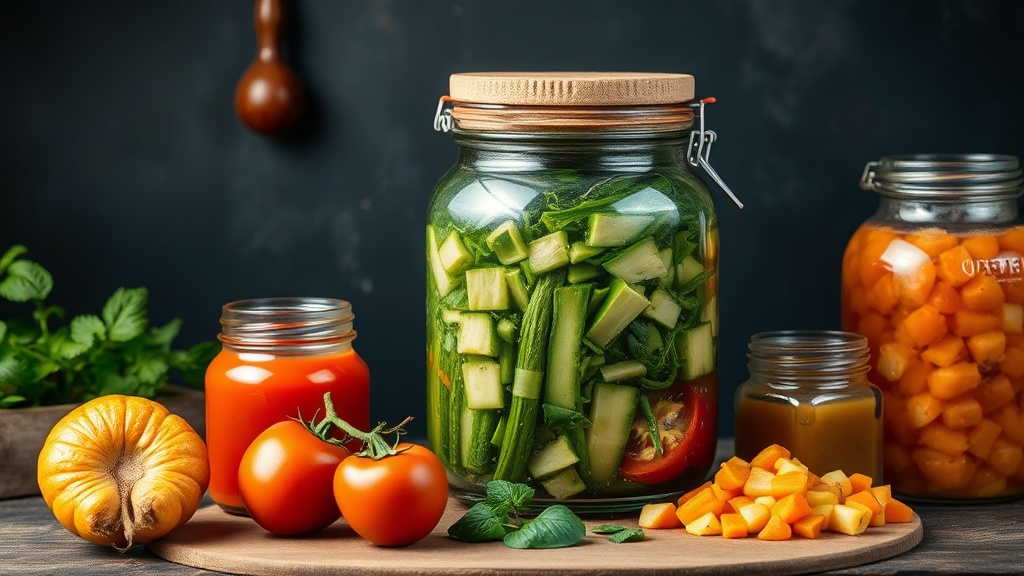
Lacto-Fermentation for Vegetables
The Art of Sourdough Starters
Brewing Probiotic Kombucha
Traditional Vinegar Pickling
Cultured Dairy and Kefir
During my years teaching history, I was obsessed with the "why" behind human movement. Why did certain civilizations settle in river valleys? Why did trade routes shift? But it wasn't until I stepped out of the classroom and into the heat of commercial kitchens that I realized the most profound historical records aren't written in ink—they are preserved in brine, vinegar, and salt.
Fermentation is one of humanity's oldest technologies. It is the art of controlled decay, a way for our ancestors to navigate the scarcity of winter or the unpredictability of harvest seasons. Whether it was the kimchi cooling in a Korean onggi jar or the sourdough starters kept alive in a bustling Parisian bakery, fermentation is the intersection of biology and culture. Today, it is more than just a preservation method; it is a way to unlock deep, complex flavors that a fresh ingredient simply cannot possess.
If you are looking to deepen your relationship with your food, mastering a few foundational fermentation techniques will transform your pantry from a collection of ingredients into a living, breathing library of flavor. Here are five essential techniques to elevate your culinary repertoire.
1. Lacto-Fermentation: The Power of Salt and Brine
Lacto-fermentation is perhaps the most fundamental technique in the fermenter's toolkit. It relies on Lactobacillus, a genus of bacteria that converts sugars into lactic acid. This process not only preserves the vegetable but also creates that signature tangy brightness we love in sauerkraut or traditional pickles.
The key to success here is the salt. Salt serves two purposes: it inhibits the growth of "bad" bacteria (pathogens) while allowing the "good" lactic acid bacteria to thrive, and it draws moisture out of the vegetables to create a brine. When you are working with vegetables, consistency is everything. A 2% to 3% brine is a safe starting point for most vegetables, but some, like olives, require a much higher salinity.
Pro-Tips for Success:
- Submergence is Non-Negotiable: The greatest enemy of a lacto-ferment is oxygen. If your vegetables float above the brine, they will mold. Use fermentation weights—or even a small, clean stone—to keep everything submerged.
- Temperature Control: Fermentation is a biological process. A warm kitchen will speed it up, but a cool cellar will slow it down. Aim for a stable temperature between 65°F and 75°F (18°C–24°C).
- The "Crunch" Factor: To keep your fermented carrots or cucumbers from getting mushy, add a grape leaf or a piece of oak leaf to the jar. The tannins help maintain structural integrity.
As you begin to cultivate these living foods, you might find yourself more attuned to the natural rhythms of your body. Much like how we use sync your diet with the daylight clock to optimize energy, understanding the biological pace of your ferments helps you build a more harmonious kitchen environment.
2. The Art of the Sourdough Starter (Wild Yeast Fermentation)
While lacto-fermentation focuses on bacteria, sourdough is a dance between wild yeast and lactic acid bacteria. Unlike commercial yeast, which is a single-strain powerhouse designed for speed, a sourdough starter is a living ecosystem. It captures the wild yeasts present in your flour and your environment, creating a complex, nuanced bread that commercial loaves can never replicate.
I remember sitting in a small bakery in San Francisco, watching a baker feed a starter that had been in his family for decades. There is a profound sense of continuity in that. When you maintain a starter, you aren't just making bread; you are tending to a legacy.
How to Start Your Journey:
You only need two ingredients: flour and water. Through a process of daily "feeding," you are cultivating a culture of wild yeast. It requires patience and observation. You are looking for bubbles, a pleasant sour aroma, and a predictable rise. If you find the process of maintaining a starter intimidating, I highly recommend learning how to master the art of making homemade sourdough starter before attempting complex laminated doughs.
The Golden Rule: Never use chlorinated water. Chlorine is designed to kill bacteria, and in a sourdough starter, that is exactly what you don't want. Use filtered or spring water to ensure your microbial friends can thrive.
3. Vinegar Fermentation: The Acidic Brightness
Vinegar fermentation (or acetic acid fermentation) is the final stage of a two-step process. First, sugars are converted into alcohol (via yeast), and then that alcohol is converted into acetic acid (via Acetobacter). This is how we get apple cider vinegar, kombucha, and even certain types of mead.
This technique is excellent for those who want to move beyond simple pickling and into the realm of creating their own liquid condiments. If you have leftover fruit scraps—apple cores, berry remnants, or even citrus peels—you can use them to kickstart a new batch of vinegar. It is the ultimate way to reduce waste and ensure nothing goes to landfill.
A Note on Equipment:
When fermenting vinegar or kombucha, you need a breathable cover. A fine mesh cloth or a piece of cheesecloth secured with a rubber band allows oxygen to enter (which Acetobacter needs) while keeping fruit flies out. Avoid airtight lids during this stage, as the buildup of gases can be dangerous if not properly vented.
4. Koji-Based Fermentation: The Japanese Secret
If lacto-fermentation is the foundation, Koji is the skyscraper. Koji (*Aspergillus oryzae*) is a filamentous fungus (a mold, to be precise) that is central to much of Japanese cuisine. It is used to make soy sauce, miso, and sake. Koji is an enzymatic powerhouse; it breaks down starches into sugars and proteins into amino acids, creating the "umami" sensation that defines much of Asian culinary tradition.
While growing Koji at home can be a bit more advanced due to the precision required in temperature and humidity, you can easily use pre-made Koji or Miso to elevate your cooking. For example, mixing a bit of miso into a butter sauce or using a koji-based seasoning on roasted vegetables can add a depth of flavor that feels almost magical.
Integrating these deeply flavorful, fermented elements into your meals is a great way to practice mindful eating. For those interested in how food timing affects your vitality, you might enjoy exploring aligning your meals with your body clock to ensure these nutrient-dense foods are being utilized most effectively by your system.
5. Cultured Dairy: The Creamy Transformation
The final technique is the transformation of milk into cultured dairy, such as yogurt, kefir, or crème fraîche. This is a form of fermentation that relies on thermophilic bacteria that thrive in warmth. Unlike the sharp, acidic bite of a vegetable ferment, cultured dairy offers a creamy, lactic tang that serves as a perfect canvas for both sweet and savory dishes.
Kefir, in particular, is a fascinating medium. It uses "kefir grains"—a symbiotic culture of bacteria and yeast—to create a drink that is much more complex and effervescent than standard yogurt. It is a living beverage that provides a massive boost to your gut microbiome.
Actionable Advice for Dairy Fermentation:
- Heat is Key: For yogurt, you must heat your milk to a specific temperature (around 180°F) to denature the proteins, which allows for a thicker set, before cooling it down to introduce your culture.
- Source Quality: Because you are working with a living culture, the quality of your starting milk matters. Grass-fed, organic dairy often provides a more robust nutrient profile for the bacteria to work with.
As you transition into a more "living" pantry, don't forget the importance of a holistic lifestyle. If you find yourself spending a lot of time indoors tending to your ferments, a spring digital detox can help you reconnect with the tactile, slow-moving nature of traditional food preparation.
The Philosophy of the Slow Pantry
Fermentation teaches us a lesson that the modern, fast-paced world often forgets: good things take time. You cannot rush a ferment. You cannot demand that a sourdough starter rise faster or that a kimchi jar develop its complexity in a single afternoon. You have to wait, observe, and respect the process.
In my time in professional kitchens, I saw many chefs try to bypass these natural timelines with chemical additives and rapid-aging techniques. But the results were always hollow. The depth of flavor found in a well-aged miso or a perfectly fermented pickle comes from the slow, methodical work of microbes.
By bringing these five techniques into your home, you aren't just making food; you are participating in a historical continuum. You are becoming a steward of a biological process that has sustained humanity for millennia. Whether you are starting with a small jar of cucumbers or a complex sourdough boule, remember that you are cultivating life. Happy fermenting.