Stop Using Bottled Garlic and Start Using Fresh Cloves

Have you ever wondered why your homemade sauce tastes slightly flat, even when you followed the recipe perfectly? The culprit is often a hidden ingredient in your pantry: bottled minced garlic. This post explains why switching from jarred, pre-minced garlic to fresh cloves will immediately improve the depth, aroma, and chemical balance of your cooking. We will cover the science of allicin, the practical ways to prep garlic efficiently, and how to store it to maintain peak flavor.
The Chemical Difference Between Fresh and Bottled
To understand why fresh garlic is superior, you have to look at the chemistry of a single clove. Garlic contains a compound called alliin and an enzyme called alliinase. When you crush or chop a fresh clove, these two components react to create allicin. Allicin is the volatile organosulfur compound responsible for that sharp, pungent aroma and the distinct "bite" of garlic. This chemical reaction is highly unstable and begins to degrade the moment the cell walls are broken.
When you purchase bottled minced garlic, the cloves have already been processed, often involving heat or acid to preserve them. This process destroys the alliinase enzyme and significantly reduces the allicin content. What you are left with is a product that offers a dull, fermented, or even slightly metallic flavor rather than the bright, spicy punch of a fresh clove. In a high-heat stir-fry or a slow-simmered Bolognese, this loss of chemical potency means you have to use much larger quantities to achieve the same flavor profile, which can lead to an unbalanced dish.
The Impact of Oxidation and Preservatives
Bottled garlic is almost always stored in a brine of oil or water, often with citric acid or calcium chloride added to prevent browning. While these additives extend shelf life, they also introduce unwanted elements to your food. If you use garlic in oil, you are adding extra fat and a different flavor profile to your dish before you even start cooking. Furthermore, the oxidation that occurs during the bottling process creates a "stale" taste that can linger on the palate, masking the more delicate notes of your other ingredients.
If you are used to the way freshly cracked spices change a dish, you will notice a similar phenomenon here. Much like the reason to stop using pre-ground black pepper, using fresh garlic ensures that the volatile oils are active at the moment they hit your pan. This is especially important in professional cooking, where the timing of adding aromatics determines the success of the entire dish.
How to Prep Garlic Like a Professional
The most common reason home cooks reach for the jar is convenience. However, with the right tools and a few seconds of technique, prepping fresh garlic is not a chore. Depending on your recipe, you will want to use different preparation methods to control the intensity of the flavor.
The Smash Method for Mellow Flavors
If you want the flavor of garlic without the aggressive bite—ideal for roasting vegetables or making a slow-cooked stew—use the smash method. Place a clove on your cutting board and press down firmly with the flat side of a chef's knife. This breaks the cell walls just enough to release oils but keeps the pieces large. These larger pieces will mellow out during a long cook time, providing a subtle background note rather than a sharp sting.
The Fine Mince for High Impact
For sauces like pesto or quick sautéed dishes, a fine mince is required. To do this effectively, first slice the clove thinly, then stack the slices and mince them with a rhythmic motion. For a more uniform texture, you can use a microplane to create a garlic paste. This maximizes the surface area, ensuring that the maximum amount of allicin is released into your fat (oil or butter) as soon as it hits the heat.
Improving Your Efficiency
To speed up the process, you should master your knife work. Understanding how to manipulate a blade will make every aromatic task faster. If you want to refine your technique, I recommend reviewing these essential knife skills to ensure your cuts are consistent and safe. A consistent mince means the garlic cooks evenly, preventing some pieces from burning while others remain raw.
When to Add Garlic to the Pan
One of the biggest mistakes in home cooking is adding garlic too early or too late. Because fresh garlic is much more chemically active than the bottled version, it is highly susceptible to burning. Burnt garlic is bitter and can ruin an entire batch of food.
- For Sautéing: Add your garlic when your aromatics (like onions or shallots) are nearly finished cooking. If you add garlic to cold oil, it will soak up too much fat; if you add it to smoking hot oil, it will turn black in seconds. Aim for a medium heat and add it when the oil is shimmering but not smoking.
- For Roasting: If you are roasting whole cloves in a pan with potatoes or chicken, add them toward the middle of the cooking process. This allows the garlic to soften and become sweet without charring into a bitter husk.
- For Infusions: If you are making a garlic oil or a vinaigrette, use the smash method. This allows you to strain the solids out later, leaving you with a clean, fragrant oil that isn't gritty.
Storage and Selection: Buying Better Garlic
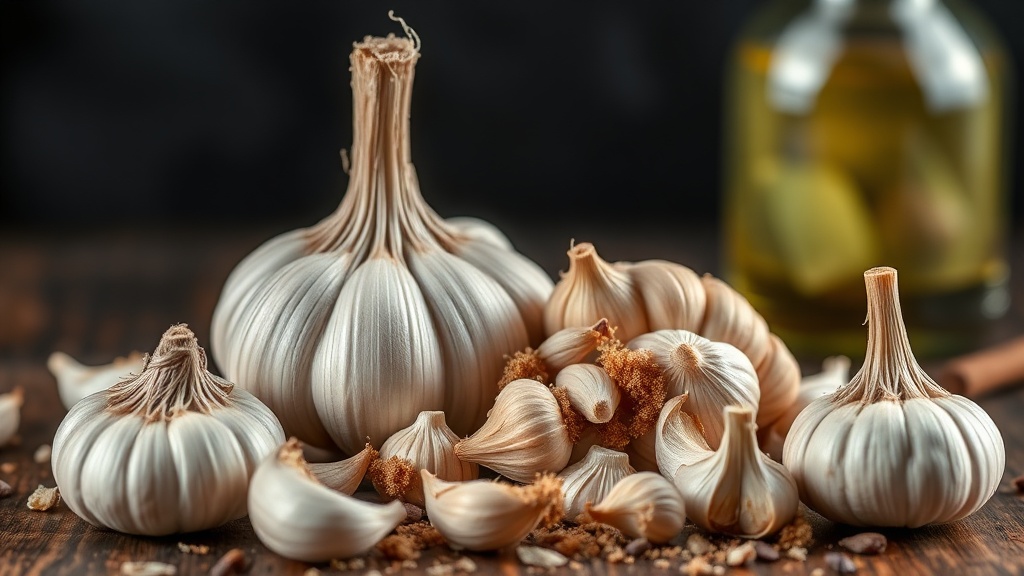
To ensure you always have high-quality garlic on hand, you must know what to look for at the market. The quality of your starting ingredient dictates the quality of your finished meal. When shopping, look for heads of garlic that feel heavy for their size and have tight, papery skins. If the bulb feels light or the skin is loose and flaky, the cloves inside are likely dehydrated and will have less moisture and flavor.
Avoid Sprouting
If you see a green sprout emerging from the top of the bulb, the garlic is aging. While a green sprout is not toxic, it is significantly more bitter than a white clove. If you must use garlic that has sprouted, slice the clove in half lengthwise and remove the green germ with the tip of your knife before mincing. This removes the primary source of the bitterness.
Proper Storage Techniques
Never store your fresh garlic in the refrigerator. The high humidity of a fridge can cause the bulbs to mold or sprout more quickly. Instead, keep your garlic in a cool, dry, and dark place with plenty of air circulation. A mesh bag or a wire basket on your pantry shelf is ideal. If you find yourself with too much garlic to use before it turns, you can peel and mince it, then freeze it in small portions of olive oil in an ice cube tray. This preserves the oils and prevents the garlic from oxidizing in the freezer.
The Economic Reality of Fresh Garlic
Many cooks stick to the jar because they perceive it as a cost-saving measure. However, when you calculate the price per ounce, fresh garlic is almost always more economical. A single bulb of garlic can yield anywhere from six to twelve cloves, depending on the variety. A jar of pre-minced garlic is often more expensive due to the processing, packaging, and the inclusion of preservatives and oils.
By investing a few cents more in a high-quality bulb of garlic, you are not just buying an ingredient; you are buying a more potent flavor profile. You will find that you actually use less volume of the fresh product to achieve the same taste, which further extends the life of your pantry staples. The transition from bottled to fresh is one of the simplest, most effective ways to elevate your cooking from "standard" to "exceptional."