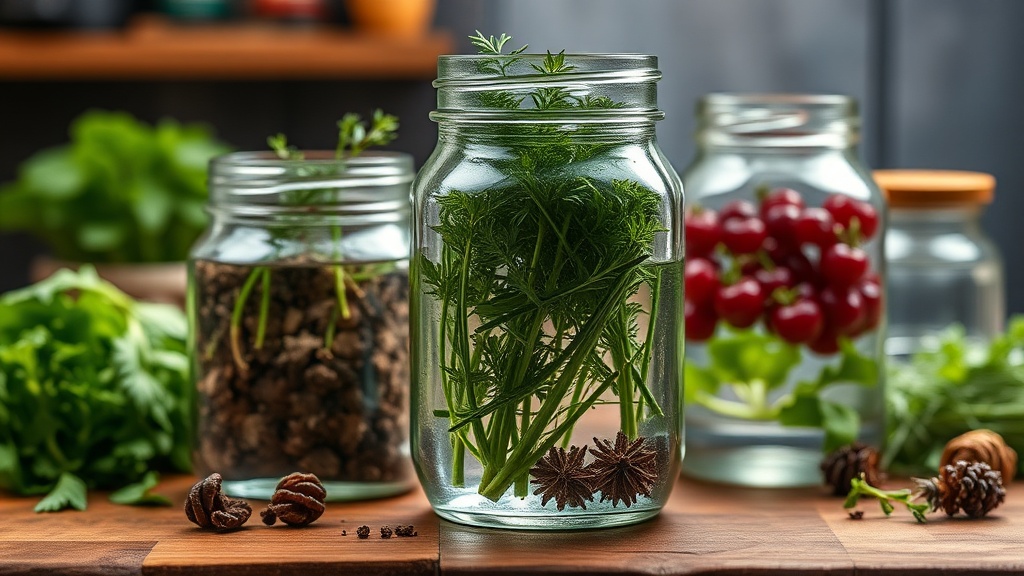
Why You Should Store Your Herbs in Water

The Bouquet Method for Soft Herbs
The Paper Towel Trick for Hard Herbs
Common Mistakes That Kill Your Herbs
This post explains why storing fresh herbs in water can significantly extend their shelf life, the specific methods for different herb varieties, and how to prevent common mistakes like rot and discoloration. By treating herbs like cut flowers rather than produce, you can maintain their essential oils and structural integrity for much longer than standard refrigeration methods allow.
The Science of Hydration and Herb Longevity
Most fresh herbs begin to degrade the moment they are harvested because they are effectively severed from their life source. When you buy a bunch of basil or cilantro from a grocery store, you are looking at a biological organism that is actively losing moisture through transpiration. If you place these herbs in a plastic bag in the crisper drawer, you are often trapping humidity that leads to rapid decay without providing the actual hydration the plant needs to stay turgid.
Storing herbs in water utilizes a process of capillary action. By placing the stems in a liquid medium, you allow the plant to continue drawing up moisture, which keeps the cell walls pressurized. This pressure, known as turgor pressure, is what prevents the leaves from wilting and becoming limp. Without this constant supply, the plant enters a state of senescence, where the leaves become soft, dark, and eventually slimy.
How to Store Soft Herbs
Soft herbs are characterized by their tender, green stems and lack of woody texture. This category includes cilantro, parsley, dill, mint, and basil. These herbs are particularly sensitive to both temperature and dehydration.
The Bouquet Method for Cilantro, Parsley, and Dill
For herbs like cilantro and parsley, the "bouquet method" is the most effective way to keep them vibrant for up to two weeks. Follow these specific steps:
- Trim the stems: Use sharp kitchen shears to snip about half an inch off the bottom of the stems. This opens up the vascular bundles to allow for better water uptake.
- Use a jar: Fill a clean glass jar or a heavy-bottomed vase with approximately two inches of filtered water.
- Avoid leaf contact: Ensure that no leaves are submerged in the water. Submerged leaves will rot quickly, creating a bacterial soup that will kill the entire bunch.
- Cover loosely: Place a clear plastic bag over the top of the herbs. This creates a high-humidity microclimate while still allowing some air circulation.
- Refrigerate: Place the jar in the refrigerator. The cold temperature slows down the metabolic rate of the plant, while the water provides the necessary hydration.
The Exception: Basil and Temperature Sensitivity
Basil is a unique case in the soft herb category. While it requires water, it is highly sensitive to the cold. If you place basil in a refrigerator, the leaves will undergo chilling injury, turning black and limp almost immediately. Instead, treat basil like a bouquet of flowers on your kitchen counter. Fill a jar with water, trim the stems, and leave it at room temperature in a spot away from direct sunlight. This method keeps basil lush and fragrant for much longer than the refrigerator ever could.
How to Store Woody Herbs
Woody herbs have hard, lignified stems and are much more resilient than their soft counterparts. This category includes rosemary, thyme, sage, oregano, and lavender. Because their stems are more robust, they have different requirements for storage.
The Damp Paper Towel Method
While you can use the water method for woody herbs, they often do better with a controlled moisture environment rather than being submerged in a jar. This prevents the woody stems from becoming waterlogged and developing mold.
- Wrap: Lay the herbs on a slightly damp (not soaking wet) paper towel.
- Roll: Roll the herbs loosely in the towel to create a cylinder.
- Seal: Place the roll inside a resealable plastic bag or an airtight container.
- Store: Keep the container in the vegetable crisper of your refrigerator.
This method provides enough humidity to prevent the leaves from drying out, but the paper towel acts as a buffer to absorb excess moisture that could lead to fungal growth. This is particularly important for rosemary, which can quickly turn mushy if kept in too much standing water.
Common Mistakes That Ruin Fresh Herbs
Even when using the water method, certain errors can lead to premature spoilage. Understanding these pitfalls will save you money and reduce food waste.
1. Using Unwashed Herbs
Many people believe they should wash their herbs immediately upon bringing them home. However, if you are using the water-jar method, it is better to keep the herbs relatively clean until you are ready to use them. If you do wash them, ensure they are completely dry before placing them in the jar. Any excess water clinging to the leaves can lead to bacterial growth and rot. For more information on moisture management in the kitchen, you might find it useful to read about why you should stop washing your mushrooms in water, as the principles of moisture-induced decay are similar.
2. Neglecting Water Changes
The water in your herb jar is not a static environment. As the herbs sit, they release organic compounds and microscopic debris into the liquid. If the water becomes cloudy, it is a sign that bacteria are multiplying. You must change the water every two to three days. A fresh change of water resets the environment and prevents the buildup of pathogens that cause wilting.
3. Overcrowding the Jar
If you try to cram too many herbs into a single jar, you limit the airflow. Lack of airflow creates stagnant pockets of moisture, which is a breeding ground for mold. Ensure there is enough space between the stems for air to circulate, even within the confines of the jar and the plastic cover.
Summary Table for Herb Storage
| Herb Type | Storage Method | Location | Key Tip |
|---|---|---|---|
| Cilantro, Parsley, Dill | Water Jar + Plastic Bag | Refrigerator | Keep leaves out of water. |
| Basil | Water Jar | Countertop | Avoid the cold refrigerator. |
| Rosemary, Thyme, Sage | Damp Paper Towel + Bag | Refrigerator | Use a damp, not wet, towel. |
When to Move Beyond Fresh Storage
Even with perfect storage, herbs have a finite lifespan. If you notice the stems becoming slimy or the leaves developing dark, translucent spots, the herbs have begun to decay and should be discarded. If you find yourself with an abundance of herbs that you cannot use in time, consider alternative preservation methods.
For soft herbs like mint or basil, you can make herb oils or even freeze them in ice cube trays with olive oil. For woody herbs like rosemary or thyme, drying them in a low-temperature oven or using a dehydrator is the best way to preserve their flavor for months. While fresh herbs provide a bright, punchy top note to a dish, dried herbs offer a more concentrated, earthy flavor profile that works well in slow-cooked stews or braises.
By treating your herbs with the same respect you give to your primary proteins or starches, you ensure that your cooking remains vibrant and flavorful. Whether it is the bright pop of cilantro in a street-style taco or the deep aroma of rosemary in a roast, the quality of your fresh ingredients is the foundation of a successful meal.