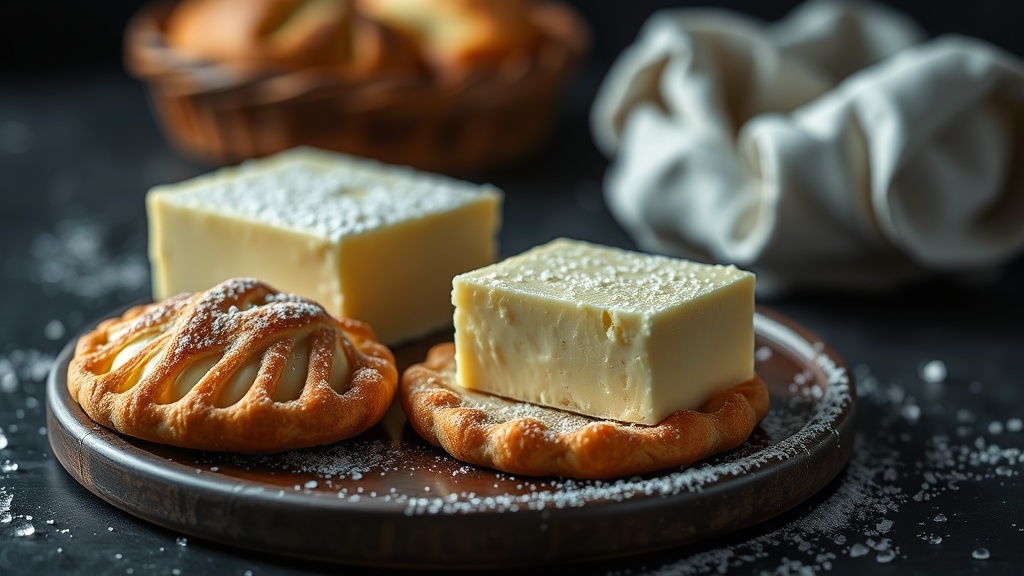
Why You Should Use Cold Butter for Flaky Pastries

The Science of Temperature in Pastry Making
Many home bakers believe that melting butter into a dough or using room-temperature butter will result in a more uniform, tender crumb. This is a mistake. If you want the distinct, shattered-glass layers characteristic of a professional croissant or a classic puff pastry, you must use cold butter. This guide explains the mechanical and chemical reasons why temperature control is the most critical variable in your pastry production, and how to manage it in a standard home kitchen.
The difference between a dense, bread-like pastry and a flaky, laminated masterpiece lies in the physical state of the fat during the baking process. When you use cold butter, you are not just adding flavor; you are building a structural architecture of steam and layers. Without this precision, your dough will simply absorb the fat, resulting in a heavy, greasy texture rather than the light, aerated structure found in high-end patisseries.
The Mechanics of Lamination
Lamination is the process of folding fat into dough in multiple layers. In a classic puff pastry (pâte feuilletée) or a Danish pastry, the goal is to create alternating layers of dough and solid fat. To understand why cold butter is non-negotiable, you have to understand the role of steam.
When the pastry enters a hot oven—ideally around 400°F (200°C)—the water content within the cold butter rapidly turns into steam. Because the butter is in solid, discrete chunks rather than an emulsion, this steam expands forcefully. This expansion pushes the layers of dough upward, creating the "lift" or "rise" known as oven spring. If the butter were room temperature or melted, it would simply soak into the flour particles, weighing down the dough and preventing the layers from separating. Instead of a tall, flaky croissant, you would end up with a flat, oily roll.
For those looking to improve the fundamental components of their dough, understanding how ingredients interact is key. For example, just as temperature dictates fat behavior, the quality of your seasoning affects the final profile. You may find it useful to read about why you should use high quality salt for seasoning to ensure your pastry dough is perfectly balanced before the fat is even introduced.
The Role of the Melting Point
Butter is a complex substance composed of milk solids, water, and fats. Each of these components reacts differently to heat. The primary reason for using cold butter is to delay the melting point of the fat until the structure of the dough has already been set by the heat of the oven.
- Solid Fat Chunks: Cold butter maintains its shape during the folding process. This ensures that when you roll out the dough, the fat remains in distinct sheets.
- Steam Generation: The high water content in high-quality European-style butter (like Kerrygold or Plugra) provides the necessary moisture for steam expansion.
- Structural Integrity: The flour's gluten network needs a physical barrier to push against. Cold butter provides that resistance.
If you use butter that is too soft, the fat will begin to emulsify with the flour during the rolling process. This is known as "bleeding." Once the fat is integrated into the dough, the lamination is lost. You can no longer create layers because the fat is no longer a separate entity; it has become part of the dough itself. This results in a texture more akin to a shortbread or a pie crust rather than a flaky pastry.
Practical Techniques for Working with Cold Butter
Achieving professional results requires more than just taking the butter out of the refrigerator. You must actively manage the temperature of your entire workspace. In a professional kitchen, pastry chefs often work in a "cold room" to prevent the dough from warming up. Since most home kitchens do not have a temperature-controlled room, you must use specific techniques to mimic this environment.
1. The "Cube and Chill" Method
When making a flaky pie crust or a rough puff pastry, do not simply slice the butter. Instead, cut the cold butter into uniform 1/2-inch cubes. This increases the surface area of the cold fat, allowing it to chill more effectively. After cutting, place the cubes on a baking sheet and return them to the freezer for 10 to 15 minutes before incorporating them into your flour. This ensures the butter is truly "fridge cold" (around 40°F/4°C) rather than just "not room temperature."
2. The "Encrusted" Technique for Lamination
For advanced pastries like croissants, you will be working with a "butter block" (beurrage). The butter block must be the same consistency as your dough (the détrempe). If the butter is too hard, it will shatter and break the dough layers. If it is too soft, it will melt into the dough. To achieve the perfect consistency, pound the cold butter between two sheets of parchment paper until it is a pliable, even slab. It should be flexible enough to bend without snapping, but still feel cold to the touch.
3. Temperature Management of Tools
Your tools can inadvertently warm up your dough. If you are using a rolling pin, consider using a marble or stainless steel pin, which retains cold better than wood. If you find the dough becoming tacky or the butter appearing shiny, stop immediately. Wrap the dough in plastic wrap and place it in the refrigerator for at least 30 minutes. This "rest" is not optional; it is a structural requirement that allows the gluten to relax and the fat to re-solidify.
Troubleshooting Common Issues
Even with the best intentions, temperature control can fail. Recognizing the signs of temperature mismanagement will help you adjust your process for the next bake.
Issue: The pastry is greasy and heavy.
Cause: The butter was too soft or the oven temperature was too low. If the oven is too cool, the butter melts and leaks out of the dough before the steam can lift the layers. Ensure your oven is fully preheated and use an oven thermometer to verify the temperature.
Issue: The layers are uneven or "broken."
Cause: The butter was too cold and brittle when you were rolling. If the butter chunks are too large and hard, they will break into tiny pieces rather than staying in long, continuous sheets. This destroys the lamination. To fix this, ensure your butter is pliable (but still cold) before you begin the folding process.
Issue: The pastry is tough rather than flaky.
Cause: You likely over-worked the dough while trying to incorporate the cold butter. Over-working develops too much gluten. When adding cold butter, use a pastry cutter or your fingertips to incorporate it quickly. You want to see visible chunks of butter in the dough, not a smooth paste.
Essential Equipment for Cold Pastry Work
To execute these techniques successfully, certain tools are more effective than others. While you can make a decent pastry with basic kitchenware, these items provide a significant advantage:
- Stainless Steel Bench Scraper: Essential for cutting dough and managing the edges of your butter blocks without adding heat from your hands.
- Digital Thermometer: A probe thermometer is vital for checking the temperature of your dough and ensuring your water or milk is at the exact temperature required by your recipe.
- Heavy Rolling Pin: A heavy pin provides the necessary pressure to flatten the butter into sheets without requiring excessive physical effort, which generates heat.
- Parchment Paper: Use this to sandwich your butter blocks. It prevents the butter from sticking to your hands or the counter, which is a common way for heat to transfer into the fat.
By treating temperature as a physical ingredient rather than just a suggestion, you move from being a recipe-follower to a technician of texture. The discipline of keeping your butter cold is what separates a mediocre crust from a world-class pastry.