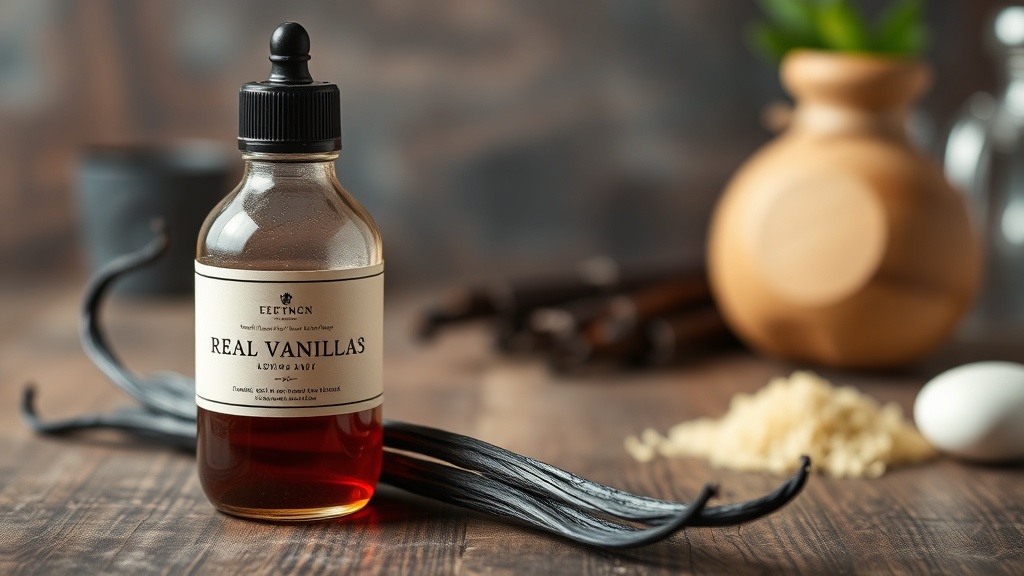
Why You Should Use Real Vanilla Extract Instead of Imitation

The Complexity of Natural Flavor
Understanding Vanillin vs. Full Profile
When to Splurge and When to Save
The Difference Between Vanillin and True Vanilla
The global vanilla market is currently facing a massive supply deficit, with prices for high-quality beans often exceeding $600 per kilogram. This scarcity has led to a massive surge in the use of imitation vanilla, a synthetic substitute that many home bakers use without realizing the impact it has on their final product. While imitation vanilla is a cost-effective way to add a hint of sweetness, it lacks the complex chemical profile of the actual Vanilla planifolia orchid. This article explains the structural differences between real and imitation vanilla, why the distinction matters for your baking, and how to identify high-quality extracts for your kitchen.
To understand why real vanilla is superior, you must first understand what it actually is. True vanilla extract is a complex infusion of thousands of different organic compounds. Imitation vanilla, on the other hand, is primarily composed of vanillin, a single molecule synthesized in a laboratory to mimic the scent of vanilla. When you use the real thing, you are adding depth, texture, and a multidimensional flavor profile that a single molecule simply cannot replicate.
1. The Complexity of Flavor Profiles
Imitation vanilla relies on a single note: sweetness. It is a one-dimensional flavor that provides a hit of aroma but lacks any nuance. In contrast, real vanilla extract contains over 200 distinct flavor compounds. These compounds include traces of phenol, alcohol, and various esters that provide notes of smoke, spice, wood, and even slight floral or fruity undertones.
When you bake a classic Crème Brûlée or a vanilla bean panna cotta, the goal is to provide a sophisticated finish. A synthetic extract will make the custard taste "sweet," whereas real vanilla makes the custard taste "rich." The complexity of the extract interacts with the fats in dairy—such as heavy cream or egg yolks—to create a lingering aftertaste. If you are looking to elevate your pastry work, understanding how to use room temperature eggs effectively alongside high-quality extracts will ensure your emulsions are stable and flavorful.
The Role of Terpenes and Esters
The reason a high-end Madagascar Bourbon vanilla smells different from a generic store brand is the presence of terpenes and esters. These organic compounds are what give real vanilla its "body." In a professional kitchen, a pastry chef uses these nuances to balance other flavors. For example, in a salted caramel sauce, the slight bitterness and woodiness of real vanilla can cut through the intense sugar, preventing the sauce from being cloyingly sweet.
2. Visual Texture and Aesthetic Appeal
One of the most immediate ways to distinguish the two is through visual inspection. Imitation vanilla is usually a clear, amber-colored liquid. It is chemically consistent and looks identical every time you use it. Real vanilla extract, however, is often darker and can contain visible sediment or tiny black specks.
Those black specks are the actual seeds from the vanilla bean. When you use a high-quality extract or a vanilla bean paste, these seeds provide a visual cue to the consumer that the product is premium. In high-end baking, this is essential. If you are making a vanilla bean frosting or a vanilla-infused ice cream, the presence of the seeds signals authenticity. Using imitation vanilla in a recipe that calls for vanilla bean paste will result in a visually "flat" product that looks uninspired and lacks the artisanal quality expected in professional pastry.
3. Impact on Heat Stability and Aroma Release
Vanilla is a volatile ingredient, meaning its aromatic compounds are easily lost through heat. This is a critical factor when deciding which type of vanilla to use in different cooking applications. Imitation vanilla is often engineered to be heat-stable, meaning it can withstand high temperatures without completely losing its scent, but it lacks the "bloom" of real vanilla.
Real vanilla extract undergoes a process of aroma release. As the temperature of your batter or dough rises in the oven, the complex esters in the extract begin to evaporate, filling the kitchen with a deep, heady scent. This is known as the "aromatic bloom." Because imitation vanilla is a single-note synthetic, it often loses its scent entirely once it hits a high temperature, leaving the baked good tasting bland or merely sugary. For recipes involving long baking times, such as pound cakes or cookies, the depth of real vanilla is necessary to ensure the flavor survives the heat of the oven.
4. Understanding the Sources: Madagascar vs. Tahiti vs. Mexico
If you decide to switch to real vanilla, you will encounter different varieties. Each has a distinct origin story and flavor profile that can change the outcome of your recipes. Knowing which one to buy is a vital skill for any serious cook.
- Madagascar Bourbon Vanilla: This is the most common variety found in professional kitchens. It is known for its creamy, rich, and slightly sweet profile. It is the gold enough standard for cookies, cakes, and custards.
- Tahitian Vanilla: This variety is much more floral and fruity. It is often used in lighter desserts like mousses or fruit-based creams. It is more delicate than the Madagascar variety and is highly prized for its aromatic intensity.
- Mexican Vanilla: This variety offers a more spicy, woody profile. It is an excellent choice for recipes that involve spices like cinnamon or nutmeg, as it complements the darker, more robust notes of the spice.
When purchasing, always check the label. A high-quality extract should list "Vanilla Extract" as the primary ingredient, followed by alcohol (usually vodka or bourbon). If the label says "Vanilla Flavor" or "Artificial Vanilla," it is the synthetic version. For even more depth, look for vanilla bean paste, which provides the liquid extract along with the concentrated seed particles.
5. Cost-Effectiveness and Long-Term Value
The primary argument for using imitation vanilla is the price. It is undeniably cheaper. However, this is a short-sighted way to view your ingredient pantry. In professional culinary training, we often discuss the concept of "value per flavor." Because imitation vanilla is a single-note ingredient, you often have to use more of it to achieve a perceptible flavor, and even then, it lacks depth.
Real vanilla extract has a much longer shelf life if stored correctly. If you keep your extract in a cool, dark place—away from direct sunlight—the flavor profile will actually deepen over time as the alcohol and vanilla compounds continue to interact. Investing in a high-quality bottle of Madagascar Bourbon vanilla is an investment in the consistency of your baking. When you are making a precise recipe, such as a delicate sponge cake, using a reliable, high-quality ingredient reduces the margin of error. Much like how using a digital scale ensures precision in weight, using real vanilla ensures precision in flavor.
How to Test Your Vanilla Quality
If you are unsure whether the vanilla in your pantry is the real deal or a cheap imitation, you can perform a simple sensory test. Pour a small amount of the liquid into a clear glass and observe the color. A deep, rich brown is a good sign. Next, take a small sniff. Real vanilla should have a complex, heavy aroma that hits the back of the throat. If it smells sharp, medicinal, or purely like sugar, it is likely imitation.
Finally, perform a taste test. A drop of real vanilla on the tongue will feel "round" and full, often with a slight warmth from the alcohol and the natural resins. Imitation vanilla will often feel "thin" or "watery" and will provide a fleeting sensation of sweetness that disappears almost immediately. By making the switch to real vanilla, you are not just changing an ingredient; you are changing the entire sensory experience of your cooking.