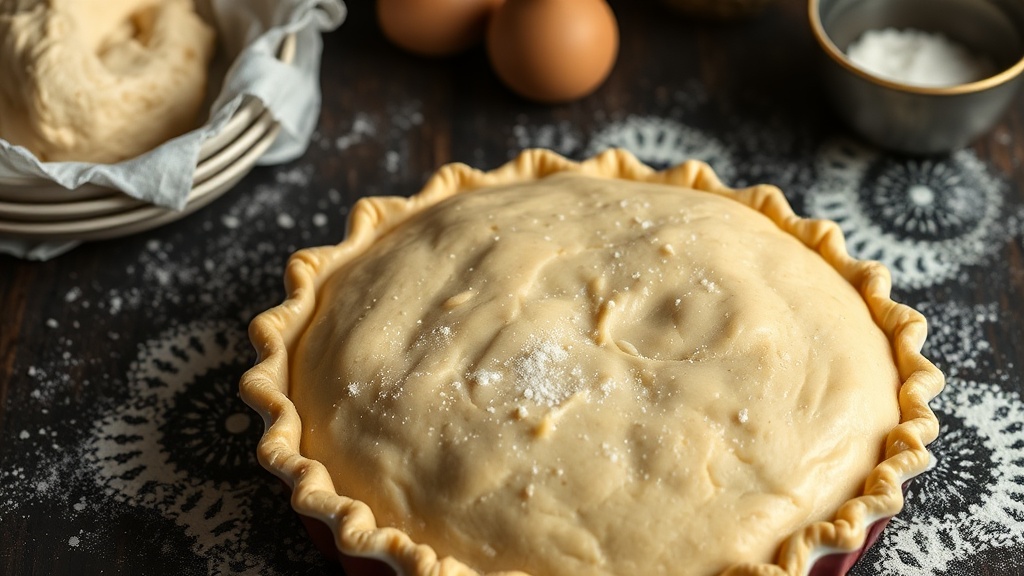
The Secret to Perfectly Flaky Pie Crust

Quick Tip
Keep your butter and water ice-cold to create steam pockets that result in a perfect flake.
The Science of Layers: Mastering the Flaky Crust
During my time working the line in high-volume commercial kitchens, I noticed a recurring frustration among home cooks: the dreaded "tough" pie crust. Most people blame their recipe, but the truth is usually found in the temperature of their ingredients. A perfect crust isn't just about the ratio of flour to fat; it is a delicate dance of physics and thermal control.
To achieve those coveted, shatteringly crisp layers, you must understand the role of lamination. When you incorporate cold fat into flour, you are essentially creating thousands of microscopic layers. As the pie enters the hot oven, the water within those fat chunks evaporates, creating steam that pushes the dough apart, resulting in a flaky texture.
The Three Golden Rules of Pastry
If you want to move beyond basic baking and approach your kitchen with the precision of a professional, follow these three non-negotiable steps:
- Temperature is Everything: Your butter, water, and even your flour should be cold. If the butter begins to melt into the flour before it hits the oven, you lose the steam-driven lift. I often recommend chilling your mixing bowl in the freezer for ten minutes before you even begin.
- Minimize Gluten Development: Overworking the dough is the fastest way to turn a flaky crust into a leaden disk. Use a pastry cutter or your fingertips to incorporate the fat, but stop the moment the dough holds its shape. The more you knead, the more you develop gluten, which leads to toughness.
- The "Pea-Sized" Standard: When mixing your fat into the flour, aim for pieces the size of large peas. These distinct chunks are what create the gaps for steam to expand.
"A great crust is a testament to patience. It is the difference between a heavy, utilitarian dough and a pastry that feels light and ethereal on the tongue."
Much like how we learn to elevate our pantry through fermentation, mastering pastry requires an understanding of biological and physical transformations. Whether you are preparing a savory quiche or a seasonal fruit tart, the foundation remains the same: respect the temperature.
As we move into the warmer months, you might find yourself looking for ways to harmonize your kitchen habits with the changing seasons. If you are interested in how seasonal shifts affect your energy and diet, I highly recommend exploring bio-harmony meal planning for spring to ensure your baking and eating rhythms stay in sync with the daylight clock.
Next time you bake, don't just follow the instructions—watch the texture. If the dough feels warm, go back to the fridge. Your future self, enjoying that first perfect, buttery bite, will thank you.